Buyers searching for “conveyor protection” trip over three similar names: zero speed switch, speed switch, and slip switch. They sound like the same device with a different label, but they catch three different failures — and picking the wrong one leaves a real gap in your protection. I’ll set the three side by side, show what each one actually watches, and give you a quick way to decide which you need.
Why the Three Names Get Mixed Up
All three are shaft- or belt-monitoring switches with a relay output, and all three are sold as “conveyor safety switches.” That surface similarity hides the difference: each one is tuned to a specific failure signature. A zero speed switch reacts to a shaft slowing or stopping. A speed switch reacts to speed being too high or drifting from a set point. A slip switch reacts to a speed mismatch between two points on the same drive. Miss the distinction and you might install a speed switch where you needed an under-speed trip — and watch a broken chain keep running.
Zero Speed Switch — What It Actually Does
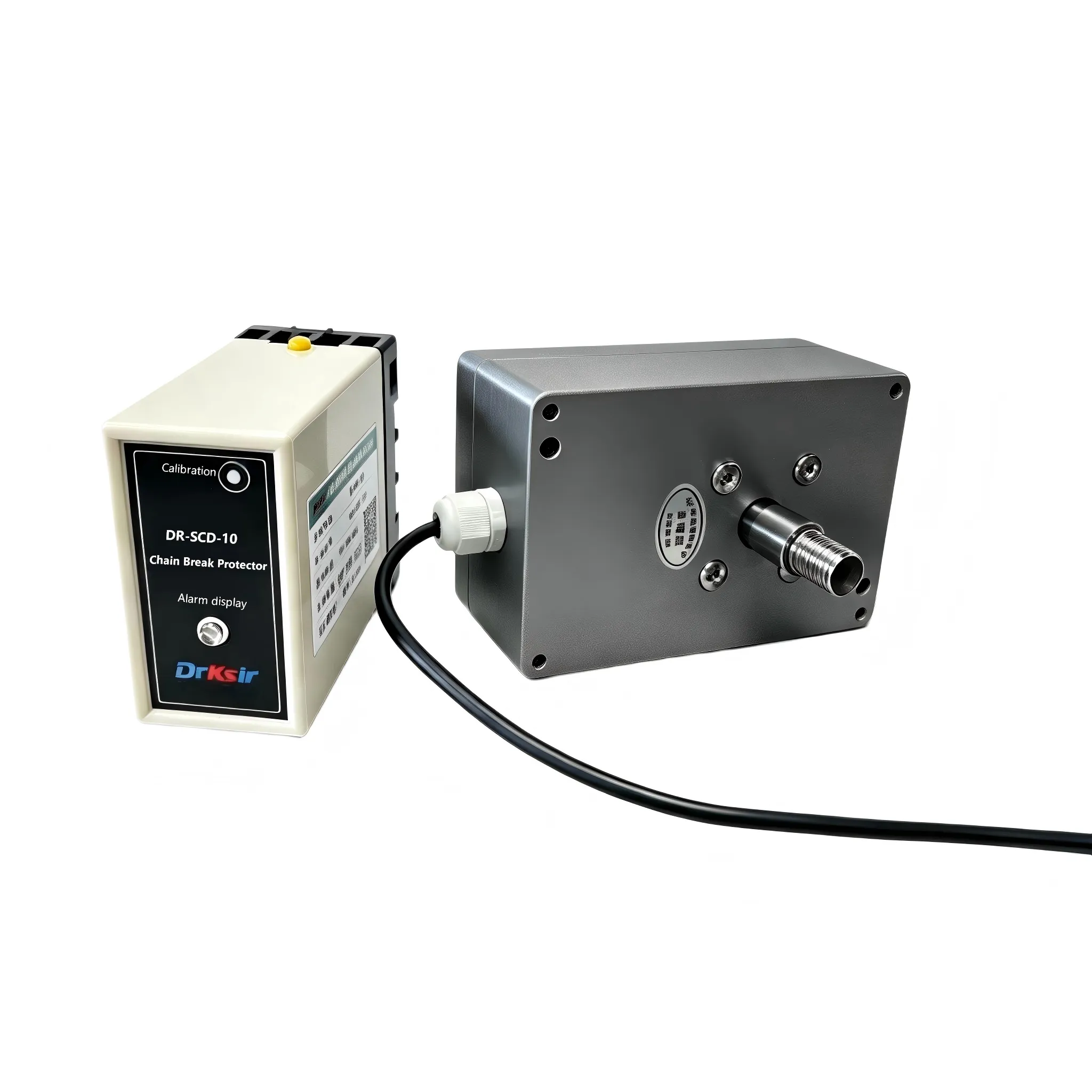
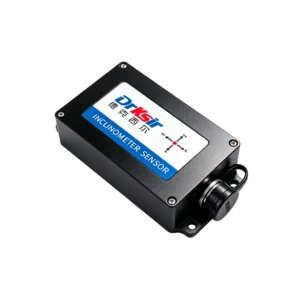
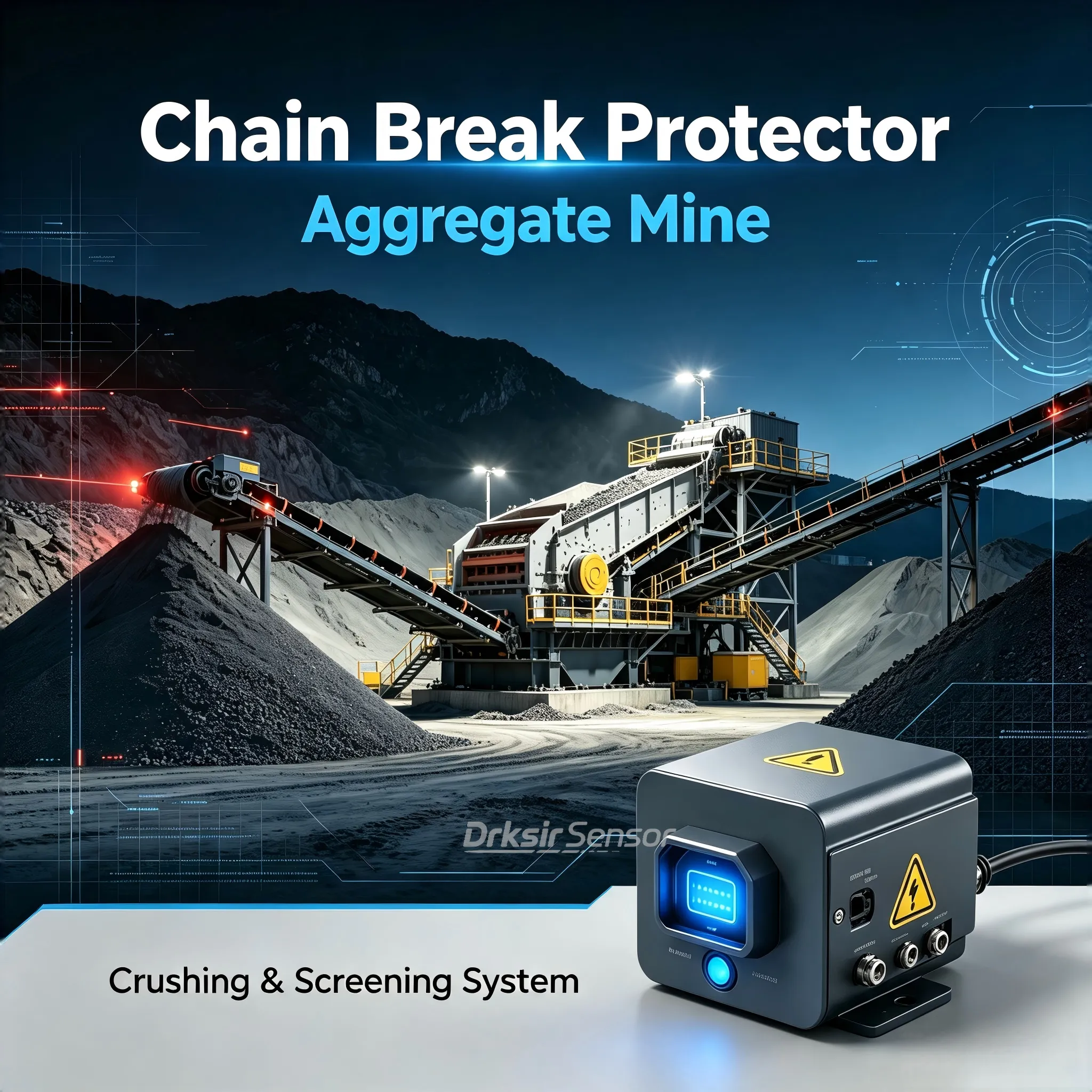
A zero speed switch (also called an under-speed switch) monitors the driven shaft and trips when shaft speed falls below a set percentage of normal — typically 40 / 50 / 60 / 70 % selectable, as on the drksir SCD-10 family. It is built for the failure where the chain breaks, slips or the shaft jams: the load vanishes or locks, the shaft slows, and the relay cuts the drive. On a scraper conveyor the DR-SCD-10-G does exactly this, stopping the drive promptly after a chain break so the pan and flights are not dragged apart. This is the device you reach for when the danger is “the machine kept turning after something failed.”
Speed Switch — What It Actually Does
A speed switch monitors rotational speed against a set point and reacts when speed goes too high (overspeed) or strays outside a band. Think of it on a centrifuge, a fan, or any machine where running too fast is the hazard — it trips on overspeed before the rotor throws itself apart. It is a different guard from an under-speed device: same sensor family, opposite failure it is watching for. If your risk is “the shaft spun up past its limit,” a speed switch is the pick; if your risk is “the shaft stopped but the drive didn’t,” that is the zero speed switch’s job.
Slip Switch — What It Actually Does
A slip switch watches for a speed difference between two points on one drive — most often the drive pulley and the tail or take-up pulley on a belt conveyor. When the belt slips, the tail pulley slows relative to the drive, and the slip switch alarms before the belt heats, smokes or tears. It is the right device for belt conveyors where the failure mode is “the belt is moving but the load isn’t being carried.” Note this is distinct from a chain-skew protector such as the DR-ICD-20, which watches the chain itself for drift or climb rather than a pulley speed gap.
Side-by-Side Comparison
| Zero Speed Switch | Speed Switch | Slip Switch | |
| Watches | Driven shaft speed dropping | Speed vs set point (over / under) | Speed gap between two pulleys |
| Failure caught | Broken / slipped chain, jam, stall | Overspeed, drift from set point | Belt slip, loss of carry |
| Typical trip | Below 40–70 % of normal | Above / below set speed | Pulley speed mismatch |
| Common use | Scraper, elevator, mixer | Centrifuge, fan, overspeed guard | Belt conveyor |
| drksir coverage | DR-SCD-10-G / DR-SCD-10-T | — | Chain-skew DR-ICD-20 (chain-level) |
How to Pick the Right One
Start from the failure you are afraid of, not the device name. If a broken chain or stalled shaft must stop the drive, you need a zero speed switch — a bucket elevator uses the DR-SCD-10-T on its head or foot shaft for exactly this. If overspeed is the hazard, a speed switch belongs on the rotating assembly. If your belts slip and overheat, a slip switch on the pulley pair is the answer. Many lines need more than one: a scraper conveyor may pair a zero speed switch with a chain skew switch (DR-ICD-20) so it catches both a stopped line and a misaligned one. Our full conveyor safety switches range covers the zero-speed and chain-skew cases; tell us your failure mode and we will map it to the right device.
Can One Device Do All Three?
Not really, and you shouldn’t expect it to. The three watch different signals, so a single relay can’t cover overspeed, under-speed and slip with one setting. What you can do is choose a platform — like the SCD-10 family for under-speed and the DR-ICD-20 for chain-level faults — and standardize your wiring and relay logic across the line. That keeps spares simple and commissioning consistent.
Wrapping Up
Zero speed, speed and slip switches share a name and a relay output, but they guard three different failures: a stopped shaft, an over-speed shaft, and a slipping belt. Match the device to the failure, not to the label. If under-speed or chain-level protection is your gap, our conveyor safety switches are built for exactly that.
Need help choosing the right switch for your conveyor? Send us the machine type and the failure you most fear, and we will recommend a configuration within one business day.
📧 Email: sales@drksirsensor.com | 💬 WhatsApp: +86-135-1581-0281