If you build or sell machinery into the EU, put 20 January 2027 on the calendar. That is when Regulation (EU) 2023/1230 fully replaces the old Machinery Directive 2006/42/EC and becomes directly applicable across all member states. Unlike the directive it replaces, this regulation treats software, connectivity and cybersecurity as safety matters in their own right — and that quietly makes continuous machine monitoring part of how a manufacturer proves compliance.
What changed versus the old directive
The shift is bigger than a date. Four points matter most:
- Regulation, not directive. It applies uniformly across the EU with no national transposition gaps, so “interpretation differences between countries” is no longer a defense.
- Digital functions are now in scope. Safety-related software updates, networked control systems and self-learning or AI functions must be considered in the risk assessment from the start.
- Cybersecurity is mandatory. Safety-critical hardware and software must be protected against tampering — malicious or accidental — including over network connections.
- Functional safety got sharper. The essential health and safety requirements now emphasize diagnostic coverage and fault tolerance: if a control system fails, the machine must move to a safe state.
Why monitoring enters the picture
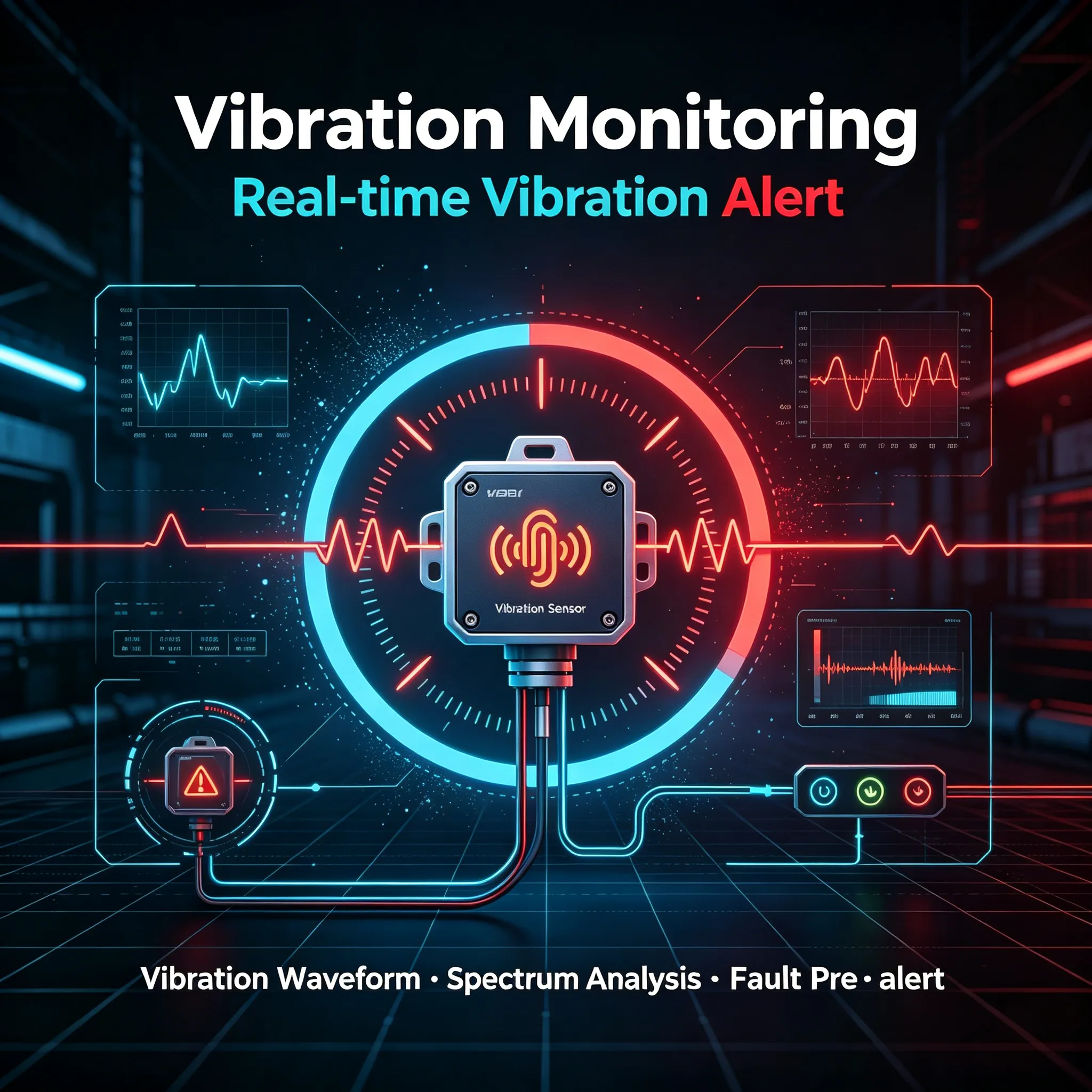
The regulation does not say “install a vibration sensor on every machine.” What it does require is that manufacturers reduce residual risk, document how software-embedded safety is maintained, and keep a robust technical file — including digital risk assessments and evidence of testing. Continuous condition monitoring is the practical way to produce that evidence. Timestamped vibration and temperature records show a machine stayed within its safe envelope, which is exactly the kind of documentation inspectors and auditors now expect.
Several analysts frame predictive maintenance as the strategy that turns these obligations into profit rather than cost: residual-risk reduction from early fault detection, higher overall equipment effectiveness when maintenance is scheduled instead of emergency-stopped, and a longer asset life that also lowers the carbon footprint of replacements.
What equipment makers should do now
The deadline is fixed, so the work is best started while machines are still in design:
- Update risk assessments to cover software and connected functions, not just mechanical hazard.
- Build the technical file digitally, with timestamped, structured maintenance records that can be exported on demand.
- Choose sensors that report granular data, not just on/off states — a controller needs a trend, not a threshold light.
- Plan for the support window: active support for at least five years after release, with documentation and updates available for around ten years.
The sensor role in compliance
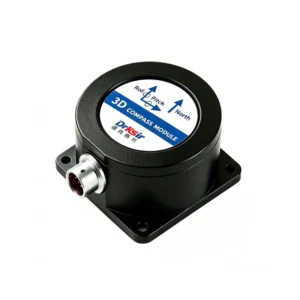
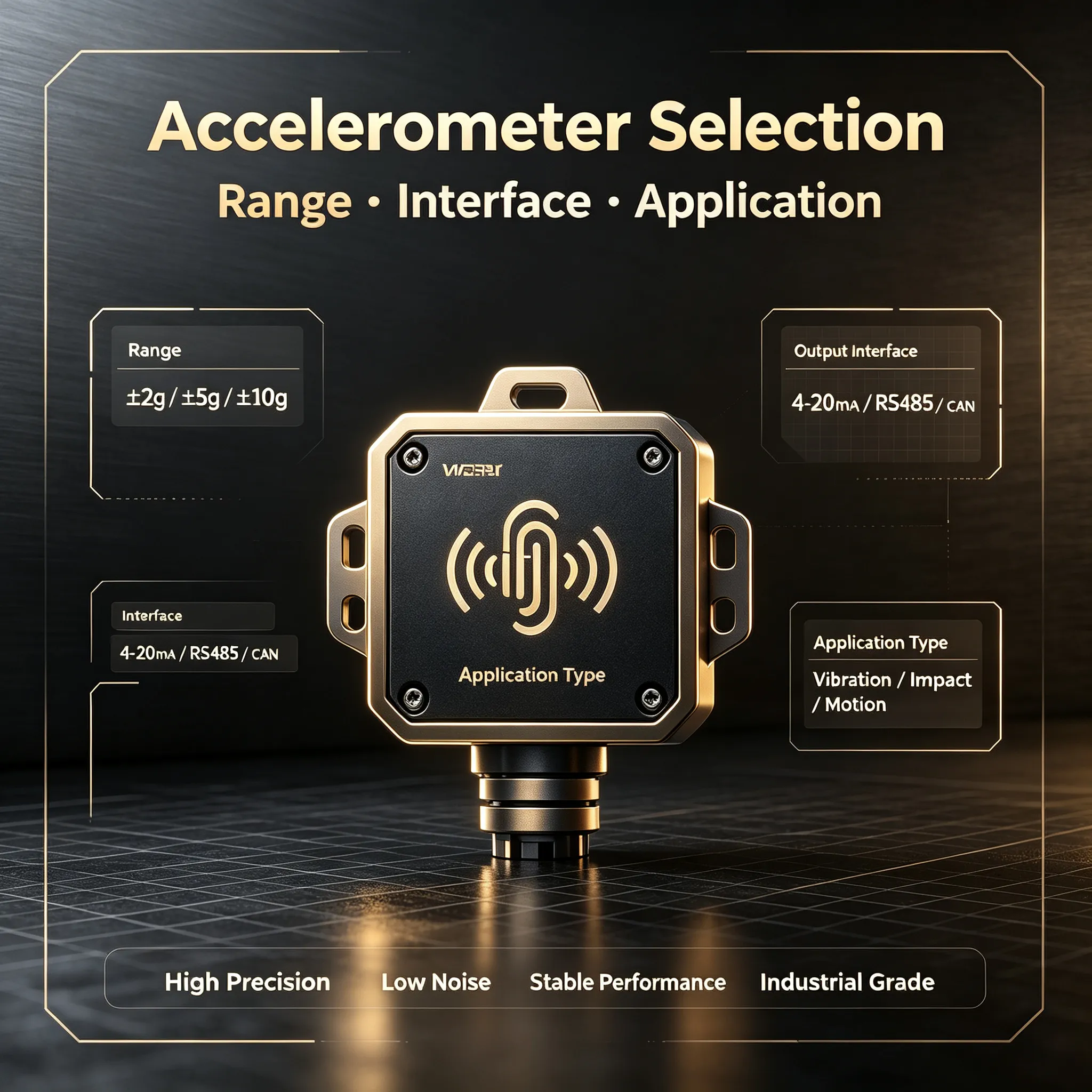
This is where industrial accelerometers earn their place. A three-axis unit captures the full motion vector from a single mounting point, which is what a risk-based monitoring file actually needs — one sensor, all axes, one clean data stream. On a motor, a ±8g accelerometer gives early bearing-fault warning long before a shutdown; on shock-prone assets such as presses or mobile machinery, a ±16g accelerometer covers the transients a low-g range would clip. Both feed the same evidence trail the new regulation expects.
The point is not to bolt on monitoring as a checkbox. It is that the regulation now rewards machines which can demonstrate, with data, that they have been safe to operate throughout their lifecycle.
Frequently asked questions
When does the regulation apply? 20 January 2027, across all EU member states, replacing Directive 2006/42/EC.
Does it mandate condition monitoring on every machine? Not literally. But it requires residual-risk reduction, digital documentation and cybersecurity that continuous monitoring is the standard way to satisfy.
Does it affect machines already in service? Substantial modifications that create or increase a risk can pull an existing machine back into re-certification under the 2027 standard.
What about cybersecurity specifically? It is now mandatory: safety-critical functions must be protected against tampering, including remote access, aligned with the broader cyber-resilience direction in the EU.
Get a quote
Compliance is easier when the sensing layer is already built for it. Tell us your machine types and the risks you need to document, and we will recommend a range and an output, then quote it. 📧 sales@drksirsensor.com 💬 WhatsApp: +86-135-1581-0281