If you specify conveyor protection, 2026 is the year the goalposts moved. Across Europe, North America and parts of Asia, machinery-safety frameworks are being revised to put stronger, more explicit weight on under-speed and broken-chain protection — the failure modes that used to be “nice to have” on a conveyor are quickly becoming “write it into the spec.” I’ve spent the last few weeks reading through what buyers and EPCs are now asking for, and the direction is clear: zero-speed protection is shifting from optional add-on to expected baseline. This piece walks through what changed, what regulators are actually watching, and what you should put in a procurement document this year.
Why Conveyor Safety Is Back on the Agenda
Two forces are pushing at once. First, the cost of a single broken chain has climbed — not just the flight pans and shafts, but the unplanned downtime, the overtime, and the safety incident that follows when three meters of loop whip off the track. Second, the people writing the standards have started treating a conveyor as a system with a known failure tree, not a dumb belt that “probably won’t break.” When you map the failure tree, the under-speed event (shaft stops, drive keeps running) and the broken-chain event sit right at the top. That is why the new revisions keep circling back to them.
What the 2026 Revisions Emphasize
The language differs by region, but the substance is remarkably consistent. Three points show up again and again:
- Under-speed is a defined hazard, not a footnote. Documents now expect a monitored shutdown when a driven shaft drops below a set fraction of its running speed.
- Broken-chain and stall are named separately from “general conveyor fault.” A generic alarm is no longer treated as adequate; the protection has to respond to the specific event.
- Risk-based specification. Rather than a one-size table, specifiers are asked to justify the trip point and the response time for the actual machine.
None of this names a single product. It changes what you have to be able to demonstrate when the line is commissioned.
Zero-Speed Protection Moves From Optional to Expected
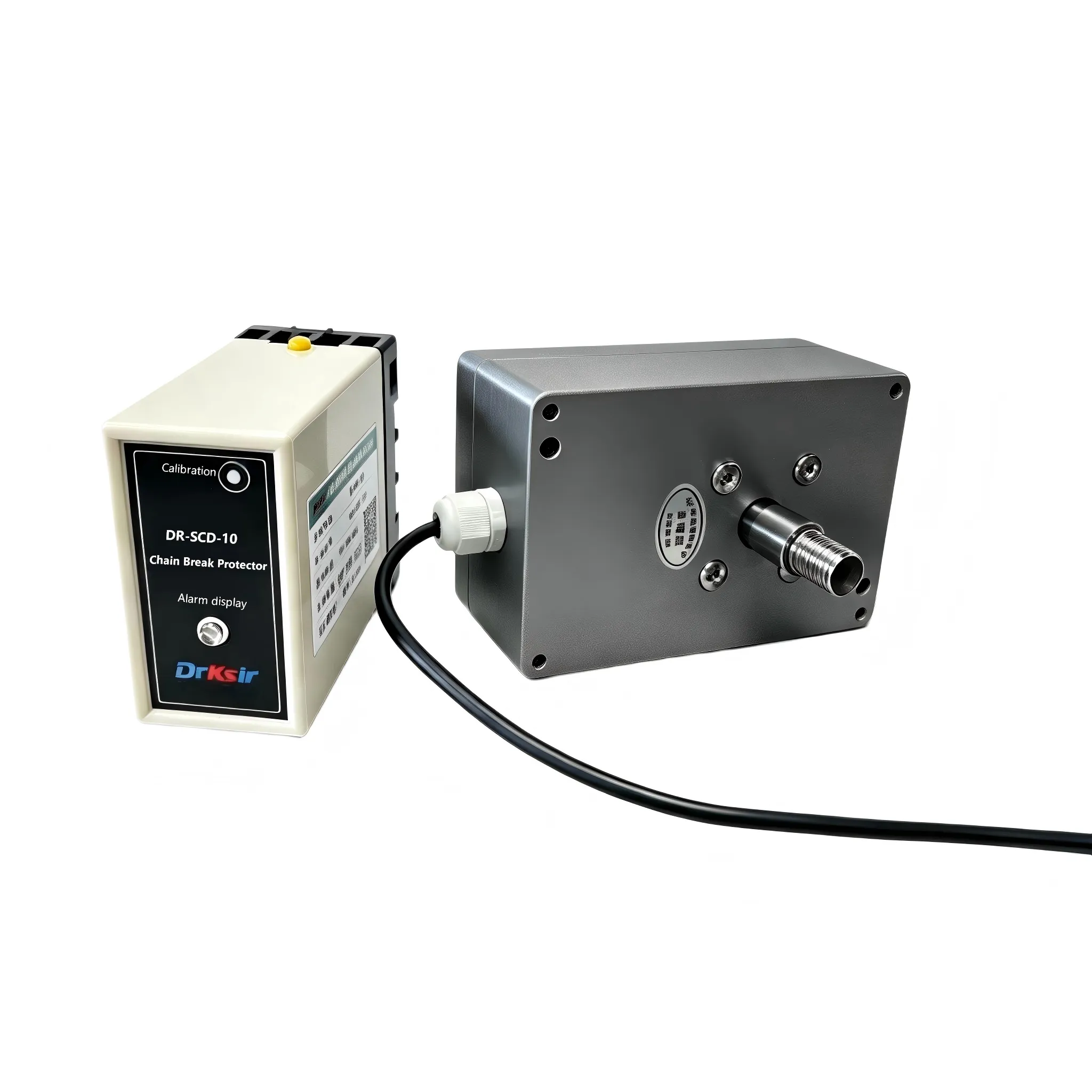
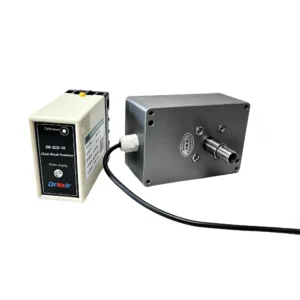
A few years ago a zero speed switch was something a diligent plant engineer added after a bad outage. In 2026 language, a conveyor without monitored under-speed protection reads as an incomplete design. The practical effect: more tenders now list “under-speed protection, certified trip logic” as a line item, and more OEMs ship the switch pre-wired rather than as a field retrofit. On a scraper conveyor the DR-SCD-10-G is exactly the kind of device buyers now expect to see specified — contact-coupled to the driven shaft, threshold-tripped on slowdown, relay-cut on failure.
Broken-Chain and Chain-Skew: Two Gaps Regulators Watch
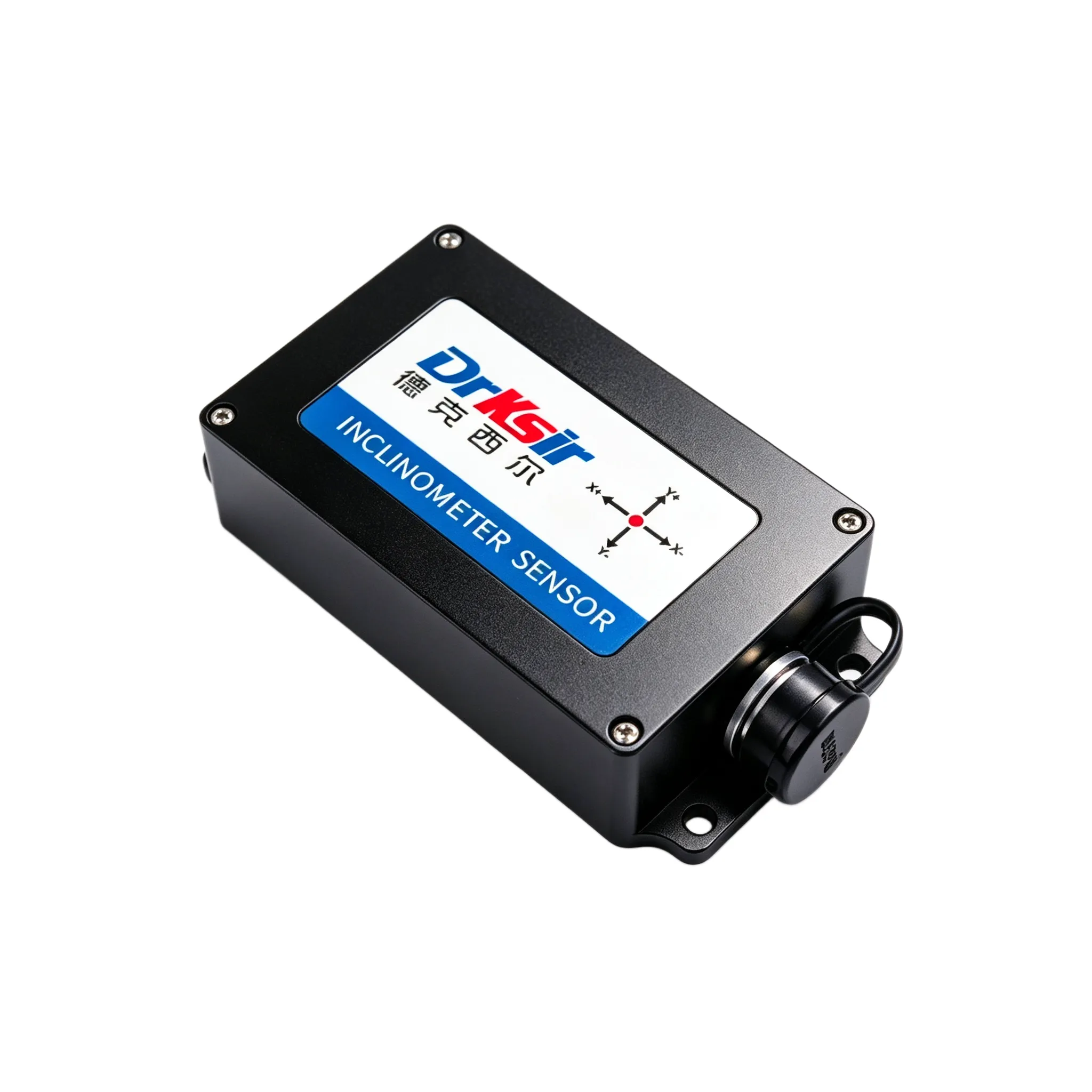
Here is the subtlety most checklists miss. A zero-speed switch catches a stopped or slowed shaft, but it does not see a chain that is climbing toward derailment while still moving. That second failure — chain skew — is its own hazard, and the revisions are starting to treat the two as a pair. A bucket elevator with the DR-SCD-10-T on its head or foot shaft covers the stall; a chain-skew protector such as the DR-ICD-20 covers the drift. Specifying both is no longer gold-plating — it is what a complete protection package looks like.
What Specifiers Should Put in the Procurement Doc
If you are writing or reviewing a spec this year, a short checklist beats a vague “conveyor safety switch required.” I’d put at least these five lines in:
- Monitored under-speed trip with an adjustable threshold (not a fixed, unverifiable setpoint).
- Response documented against the actual shaft speed and load.
- Broken-chain and chain-skew coverage where the machine has a chain loop.
- Self-test or calibration proof so the device isn’t silently dead.
- Relay output that drops straight into the drive contactor or PLC.
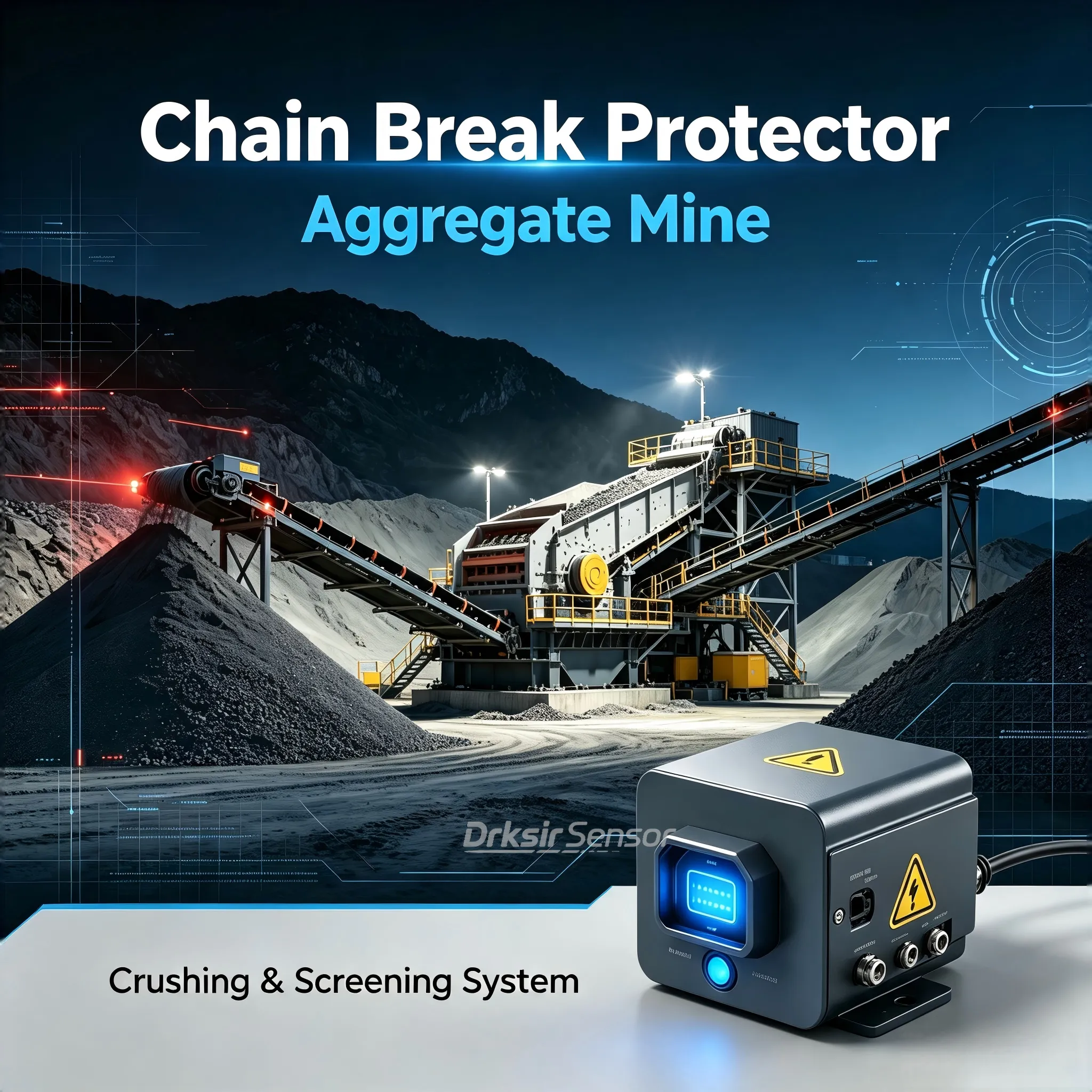
A slag conveyor in a power or cement plant is a good stress test for the list — wet, hot, abrasive, and unforgiving of a stalled chain. The DR-SCD-10-L is built for exactly that duty, and it is the kind of product a reviewer should be comfortable signing off.
Regional Notes (Without the Guesswork)
I’ll avoid naming specific standard numbers — those change and you should confirm the one binding your project. What is safe to say: the EU machinery framework continues its push toward documented functional safety; North American plant standards increasingly cross-reference monitored shutdown for conveying equipment; and several Asian markets are adopting aligned expectations as they upgrade aging bulk-handling lines. The takeaway is the same everywhere: show the monitor, show the trip logic, show the response.
How drksir Fits the New Baseline
Our conveyor safety switches are built around the exact events the 2026 revisions emphasize — under-speed, broken-chain and chain-skew — with shaft-coupled zero-speed switches for the driven shaft and a non-contact chain monitor for skew. Auto-baseline learning, adjustable thresholds and relay-cut output mean a specifier can document the trip point and response without a laptop on site. If you are re-writing a procurement template this year, tell us your machine type and we will map it to a configuration that meets the new expectations.
Wrapping Up
2026 did not invent conveyor risk — it just stopped letting buyers ignore it. Under-speed and broken-chain protection are moving from “optional” to “expected,” and chain-skew is joining them as a named hazard. The practical move is simple: write the monitor, the trip point and the response into the spec, and specify devices that can prove they do it. Our full conveyor safety switches range covers the zero-speed and chain-skew cases; send us your failure mode and we will recommend a configuration.
Need help mapping the 2026 expectations to your conveyor spec? Send us the machine type, shaft speed and what you need to catch — we reply with a recommendation within one business day.
📧 Email: sales@drksirsensor.com | 💬 WhatsApp: +86-135-1581-0281