Walk onto any bulk terminal or cement plant commissioned in the last two years and the control room tells the story: fewer operators, more screens, and a conveyor line that is expected to report its own health. Automation has moved from the weighing and routing systems into the safety layer, and that shift is quietly rewriting what buyers want from a conveyor safety switch. I talk to plant engineers every week, and the request has changed from “give me a switch that trips” to “give me one that learns the line and tells me before it fails.” Here is where that trend is going and what it means for your next specification.
Automation Is Reshaping Bulk Material Handling
The drivers are familiar: labor shortages, tighter margins, and a generation of PLCs and IIoT gateways cheap enough to put on every drive. When the control system already knows the setpoint, the speed and the load, a safety switch that only says “I tripped” starts to look incomplete. The system wants a device that speaks the same language — self-aware, adjustable, and easy to commission without a specialist on site. That expectation is now flowing downstream into procurement, and it favors switches that were designed smart from the start rather than retrofitted.
Why Safety Switches Are Part of the Automation Story
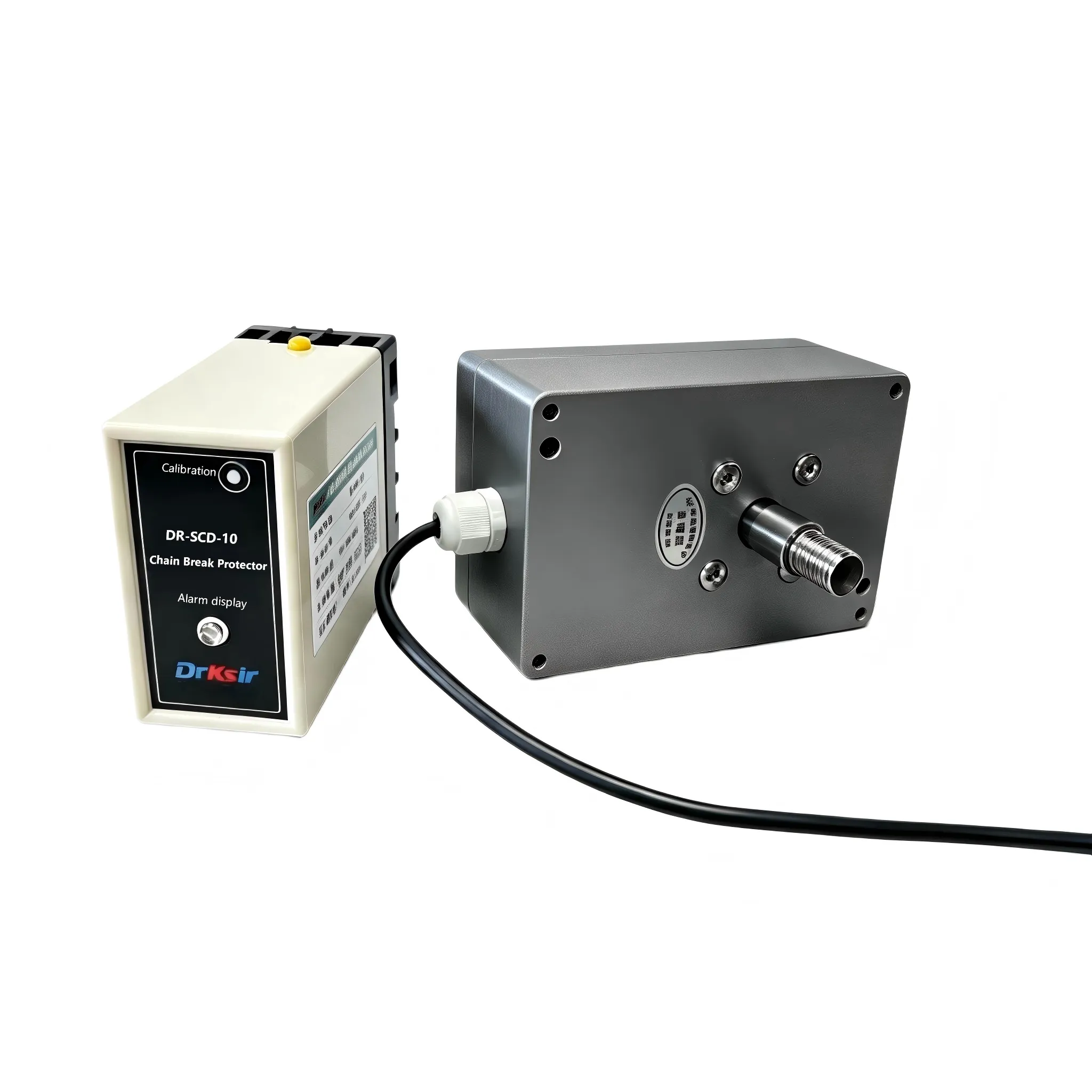
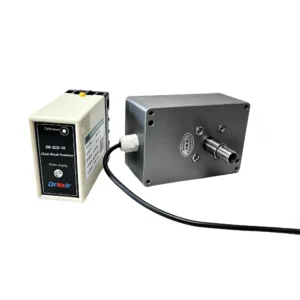
Safety used to sit outside the automation conversation, as a relay that cut the drive and little else. That separation is breaking down. A broken chain on a scraper conveyor is both a safety event and a data point, and an automated plant wants the data point as much as the cutoff. The DR-SCD-10-G is a good example of the new shape: it learns the normal shaft speed on the first run signal, then watches for the drop — the information the automation layer needs is already there, not bolted on afterward.
From Reactive to Predictive: the New Expectation
“Reactive” meant the switch fired only after the shaft stopped. “Predictive” is the language buyers now use, and it shows up in three small but real features:
- Auto-baseline learning — the device captures the running speed itself, so commissioning does not depend on someone keying in RPM by hand.
- Adjustable thresholds — 40 / 50 / 60 / 70 % of the learned baseline, matched to the actual machine instead of a fixed guess.
- Health you can see — status indication and self-test so the automation system knows the protector is alive.
A mixer or agitator is where this pays off fastest: the DR-SCD-10-J cuts power the moment the shaft stalls, protecting the gearbox from burnout — and it tells the PLC exactly when it did.
Integrated Break Protection Across the Line
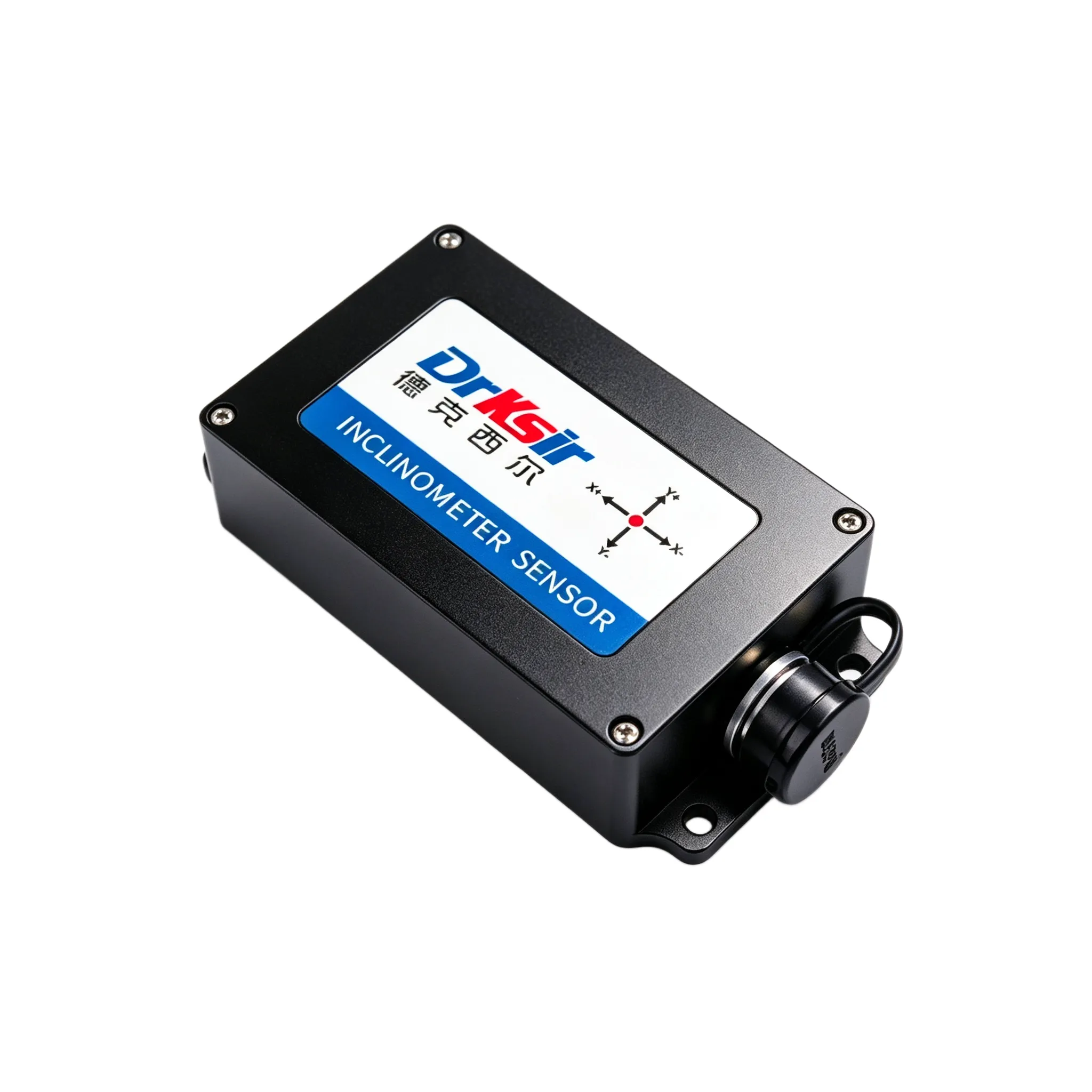
Automation also rewards standardization. When every machine on the line uses the same zero-speed platform, the wiring, the relay logic and the alarm behavior stay consistent, and the spare parts list shrinks to one. A bucket elevator with the DR-SCD-10-T on its head or foot shaft, a scraper with the DR-SCD-10-G, and a chain loop watched by a skew monitor such as the DR-ICD-20 — that is an integrated break-protection package an automation engineer can model as one system, not three orphaned devices.
Selection Snapshot for Automated Lines
| Capability buyers now ask for | What to look for | drksir fit |
| Self-commissioning | One-button auto-baseline learning | SCD-10 family |
| Adjustable response | 40–70 % threshold selectable | SCD-10 family |
| Chain-loop coverage | Paired zero-speed + skew monitor | DR-SCD-10-x + DR-ICD-20 |
| PLC-friendly output | Potential-free relay, NO/NC | All models |
| Consistent spares | One platform across the line | Conveyor safety switches range |
Where drksir Fits the Trend
Our conveyor safety switches were built for exactly this moment: shaft-coupled zero-speed switches that learn the line and cut the drive on a confirmed fault, plus a non-contact chain monitor for skew — all on a shared relay logic that drops into a PLC or contactor without custom wiring. For an automated bulk-handling line, that means fewer specialist visits, consistent behavior across machines, and a protection layer the control room can actually see. Tell us your conveyor types and failure modes and we will map them to a standardized configuration.
Wrapping Up
Bulk handling automation did not make conveyors safer by itself — it raised the bar for what a safety switch has to do. Self-calibration, adjustable thresholds and visible health are now the baseline, not the premium. The plants winning on uptime are the ones specifying switches that learn the line and report on it, instead of dumb relays that only trip. Our full conveyor safety switches range covers the zero-speed and chain-skew cases with one consistent platform; send us your line layout and we will recommend a configuration that fits the automation.
Need help specifying smart safety switches for an automated conveyor line? Send us the machine types and the failure modes you most fear, and we will recommend a configuration within one business day.
📧 Email: sales@drksirsensor.com | 💬 WhatsApp: +86-135-1581-0281