A procurement manager asked me a fair question last quarter: “Is structural health monitoring just hype, or are people actually buying it?” I pulled the latest market figures to answer him, and the numbers are not subtle. The global structural health monitoring (SHM) market reached 3.44 billion in 2025** and is forecast to reach **6.93 billion by 2030 — a compound annual growth rate of roughly 15%. This is no longer a niche line item; it is a fast-moving category where sensors, software, and services are all scaling at once. In this report I walk through what is driving the growth, where the spending goes, and what it means if you are specifying sensors for bridges, dams, or wind turbines this year.
The headline numbers
Most analyst houses now agree on the direction, even if their base-year figures differ by what they count as “monitoring.”
| Year | Market size | Note |
| 2025 | $3.44 B | Base year |
| 2026 | $3.96 B | +15.1% year over year |
| 2030 | $6.93 B | ~15% CAGR across the period |
One regional breakdown puts the 2025 global base closer to $5.9 B and forecasts $11.2 B by 2030, while another lands at $2.4 B in 2025 with a 15.8% CAGR. The spread is wide, but every forecast points the same way: double-digit growth through the decade. Asia-Pacific was the largest region in 2025, led by China’s bridge-retrofit programs and offshore-wind build-out.
Why the market is accelerating
Three forces keep showing up in the data. First, extreme-weather events are now a recurring cost, not a rarity — U.S. agencies logged 28 separate billion-dollar climate disasters in a single recent year, which pushes dam, levee, and pipeline owners toward continuous monitoring. Second, infrastructure is aging in every developed economy, and owners would rather catch a crack early than replace a span. Third, predictive maintenance has moved from a buzzword to a budget line: catching a fault from sensor data beats a reactive shutdown.
Where the money goes — by component
Hardware still dominates SHM spend, but software is the fastest-growing slice.
- Hardware — sensors, data-acquisition units, communication modules. Still the largest piece of the budget.
- Software — analytics, visualization, digital-twin platforms. Growing fastest as cloud-native tools mature.
- Services — installation, integration, long-term support contracts that lock in recurring revenue.
The practical read for a buyer: you are not buying a sensor, you are buying a system where the sensor is the cheap part and the data layer is where the value compounds.
Wireless and IoT are rewriting the rules
Wired sensor systems ruled SHM for years because they were the only option engineers trusted. That is changing. Wireless sensor nodes and IoT-connected monitoring networks are now the fastest-growing hardware segment, because they let you instrument a remote dam or a long bridge span without trenching cable across a structure. For retrofit projects especially, wireless is often the difference between “monitor it” and “can’t afford to.”
AI-based damage detection moves from lab to field
The trend that excites most asset managers is AI-based damage detection. Instead of a fixed alarm threshold that either nuisance-trips or stays silent, machine-learning models learn a structure’s normal signature and flag small deviations early. Combined with cloud data platforms, this shifts maintenance from a calendar schedule to a condition-based plan — which is exactly where the ROI shows up.
Application hotspots: bridges, dams, wind turbines
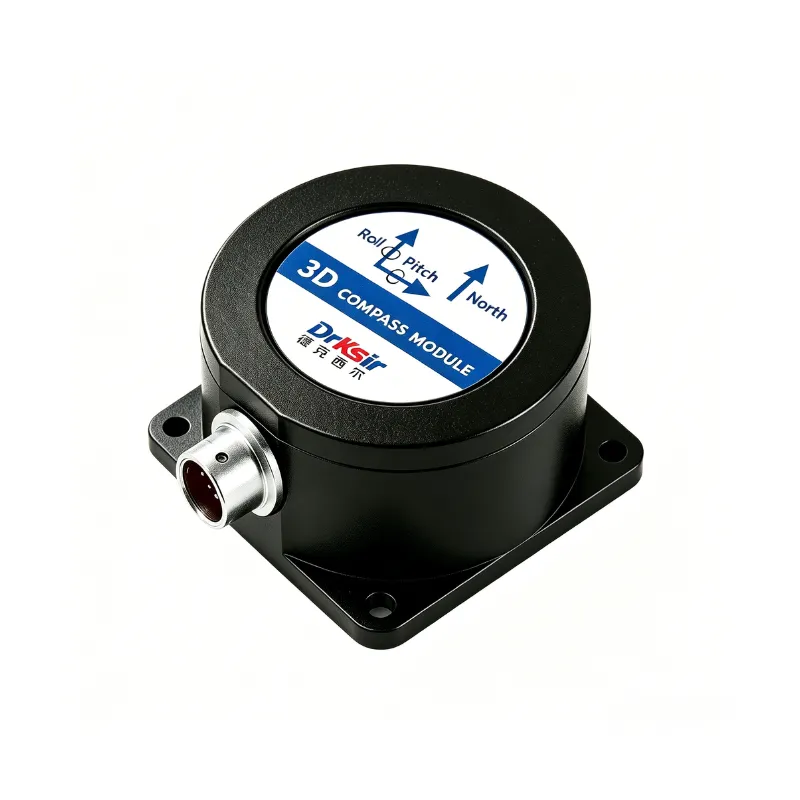
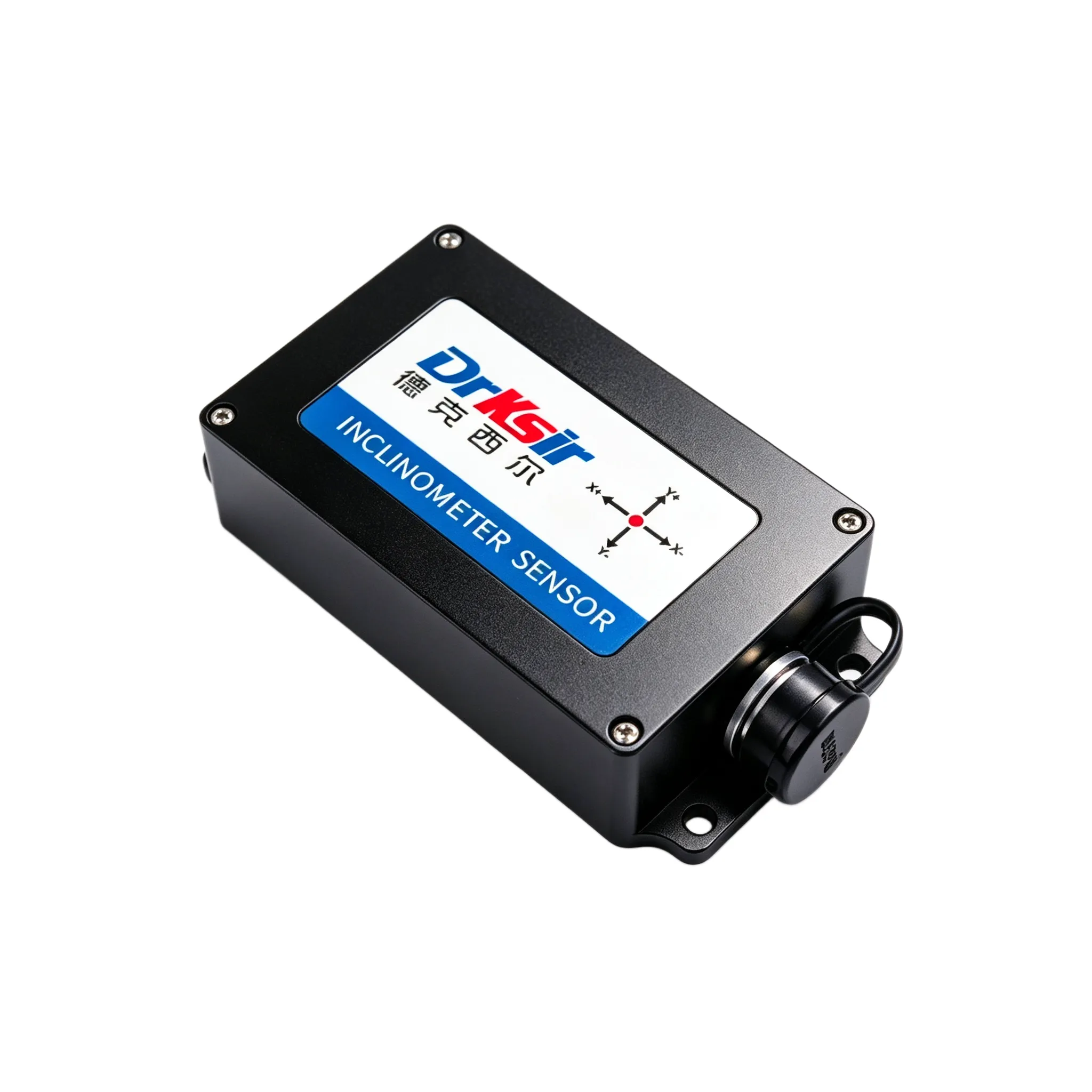
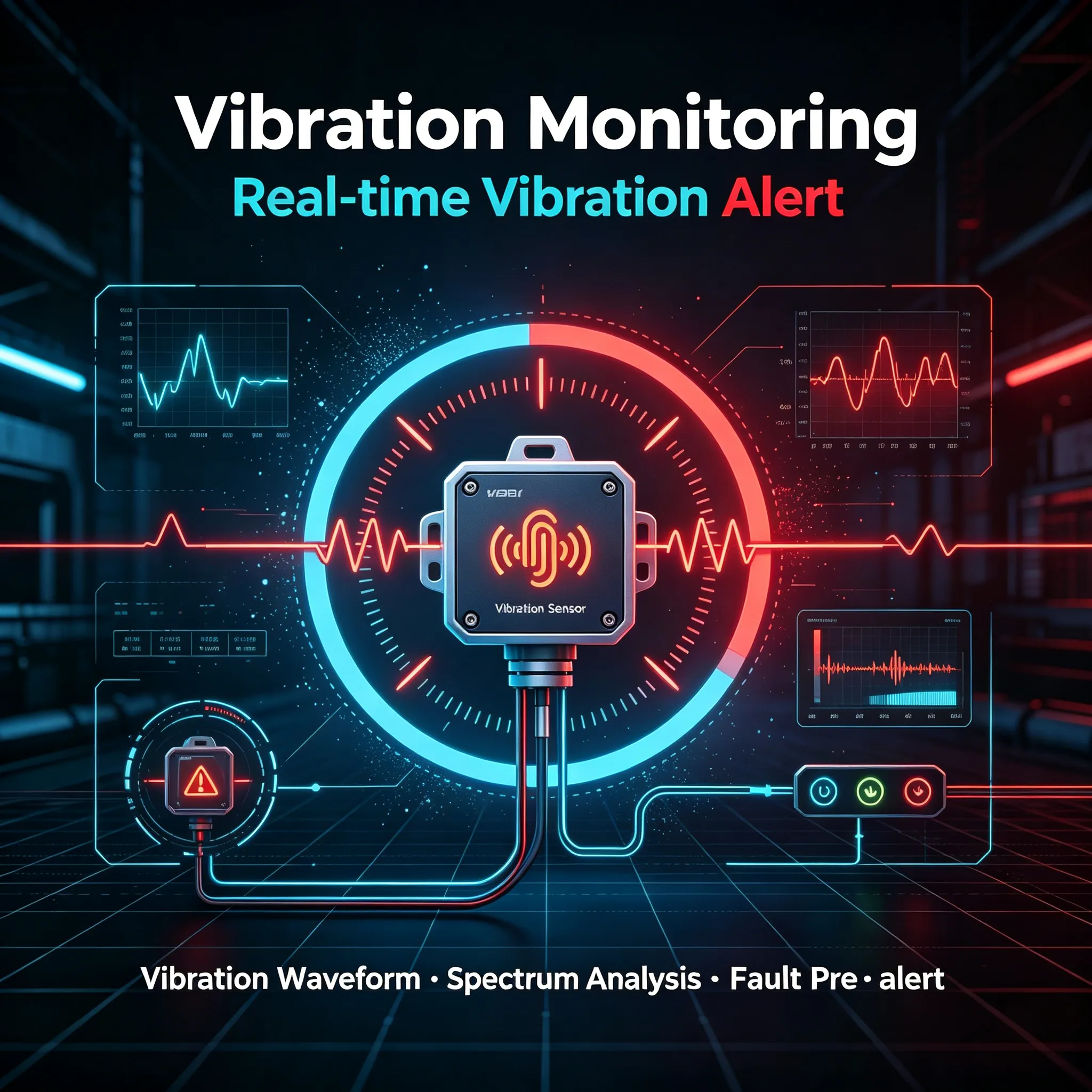
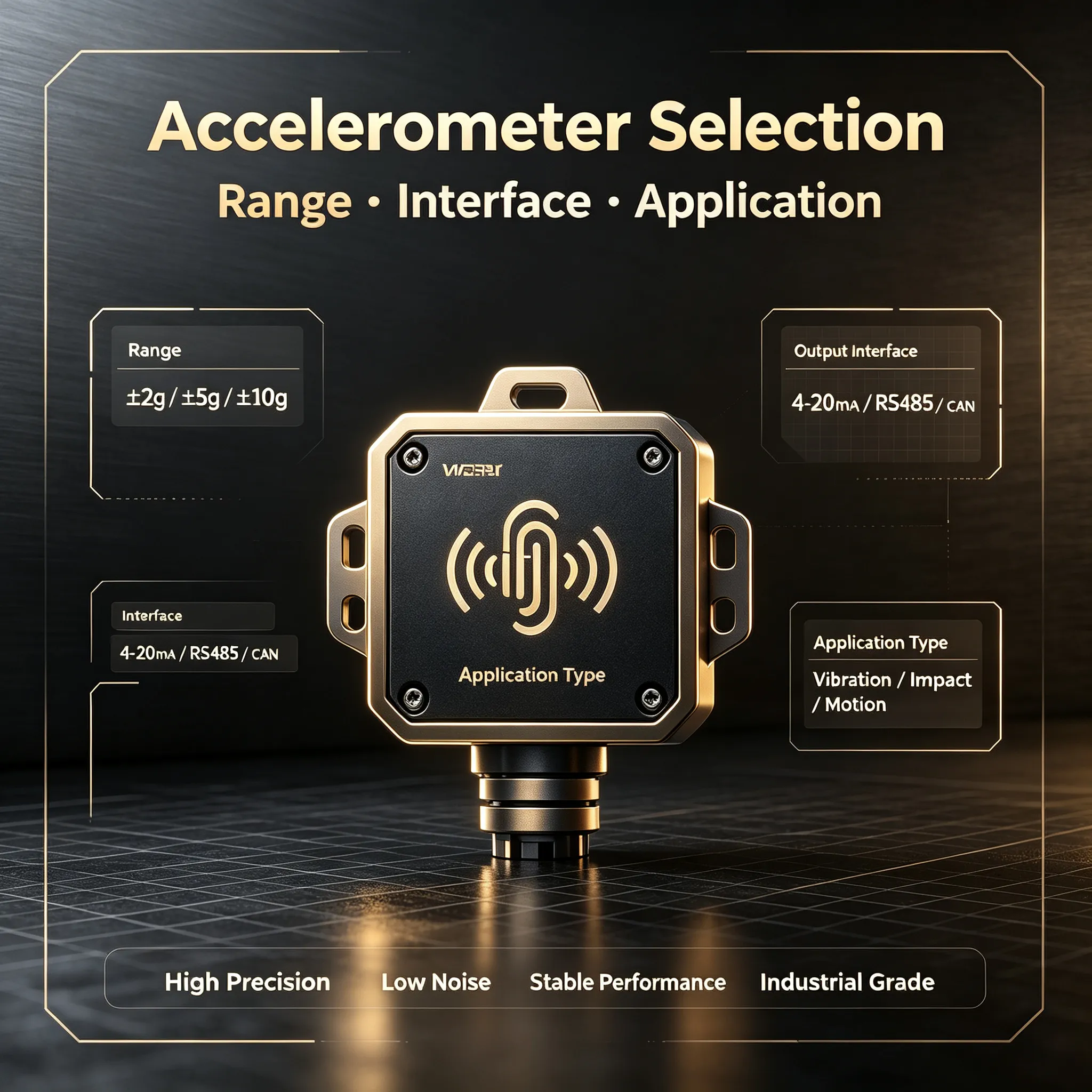
Bridges and dams remain the single largest application segment, accounting for well over a third of monitoring demand in several regional breakdowns. This is precisely where inclinometers and accelerometers sit at the core of most monitoring systems: a tilt sensor at a pier measures slow settlement, while an accelerometer on a girder captures vibration that hints at fatigue. Turning a measured tilt angle to displacement is how most bridge-deflection dashboards actually present the data to an engineer. Wind turbines are the third hot zone — both onshore towers and offshore platforms now ship with dense sensor suites as standard.
What this means for sensor buyers
If you are specifying sensors in 2026, three takeaways stand out.
- Plan for the data layer first. Pick sensors that output a standard signal (4-20 mA or RS485/Modbus) so they drop into an existing DAQ without a custom box.
- Specify the right resolution. A dam that moves millimeters over a year needs different inclinometer accuracy than a machine tool that moves microns per second. Match the grade to the decision you must make.
- Buy for the retrofit, not just the new build. Wireless nodes and IP68 housings pay for themselves the moment a structure is hard to reach.
For ongoing coverage of market shifts like these, see our industry news channel, where we track SHM, wind, and sensor-standard updates each quarter.
Regional and application spread
The spending is not evenly spread. Asia-Pacific was the largest region in 2025, pulled by China’s bridge-retrofit programs, high-speed-rail monitoring, and a fast offshore-wind build-out; India and Southeast Asia add volume each year. North America and Europe follow, with growth there driven less by new builds and more by modernizing aging interstate bridges, dam-safety programs, and grid-connected wind. On the application side, bridges and dams still lead, but buildings and stadiums are the fastest-rising segment as green-building and seismic codes tighten, and vessels, platforms, and airframes pull steady demand from aerospace and marine owners. For a sensor supplier, that mix matters: a tilt sensor qualified for a quiet indoor stadium is a different ruggedness grade than one bolted to a North Sea platform.
Drksir’s take
We have shipped tilt and vibration sensing hardware into bridge, dam, and turbine programs for fifteen years, and the 2026 data matches what we see in the field: buyers want systems, not parts. If you are scoping a monitoring project and need help matching sensor grade to your structure, our engineering team is happy to talk through the trade-offs.
📧 Email: sales@drksirsensor.com | 💬 WhatsApp: +86-135-1581-0281