A service engineer I work with put it plainly last month: “The turbines we monitored five years ago and the ones going in the water now are almost different machines.” He is right. In July 2025 a Chinese consortium commissioned a 17 MW direct-drive floating offshore unit with a 262-meter rotor and a hub height near 152 meters — a machine that can keep generating through a 3-degree larger survival tilt than earlier floats and ride out 24-meter waves. When a single turbine crosses 16 MW, the sensing job changes. Here are the three sensor requirements we see every 16MW+ offshore project now asking for.
Bigger rotors, harsher seas
The trend is simple math: a longer blade sweeps more area, so a bigger rotor captures more energy even at lower wind speeds. But scale brings load. A 262-meter rotor throws enormous gravitational and inertial force into the drivetrain, and a floating foundation adds six degrees of freedom the fixed tower never had. The monitoring problem is no longer “is the gearbox warm” — it is “is the whole structure behaving like the model said it would.”
Offshore repair is brutal on the budget, too. One intervention can run past $500,000 once you mobilize a vessel, which is why operators push sensor-enabled predictive maintenance: it cuts unplanned downtime by 35-45% and extends asset life by two to three years. The sensor bill looks cheap next to a single missed maintenance window.
Requirement 1 — tilt and attitude sensing at scale
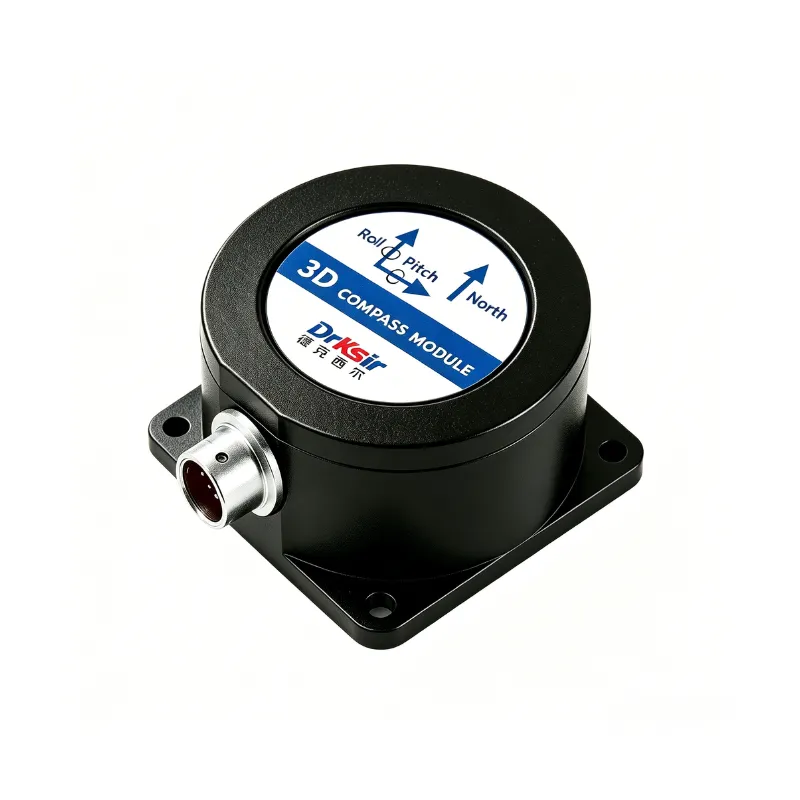
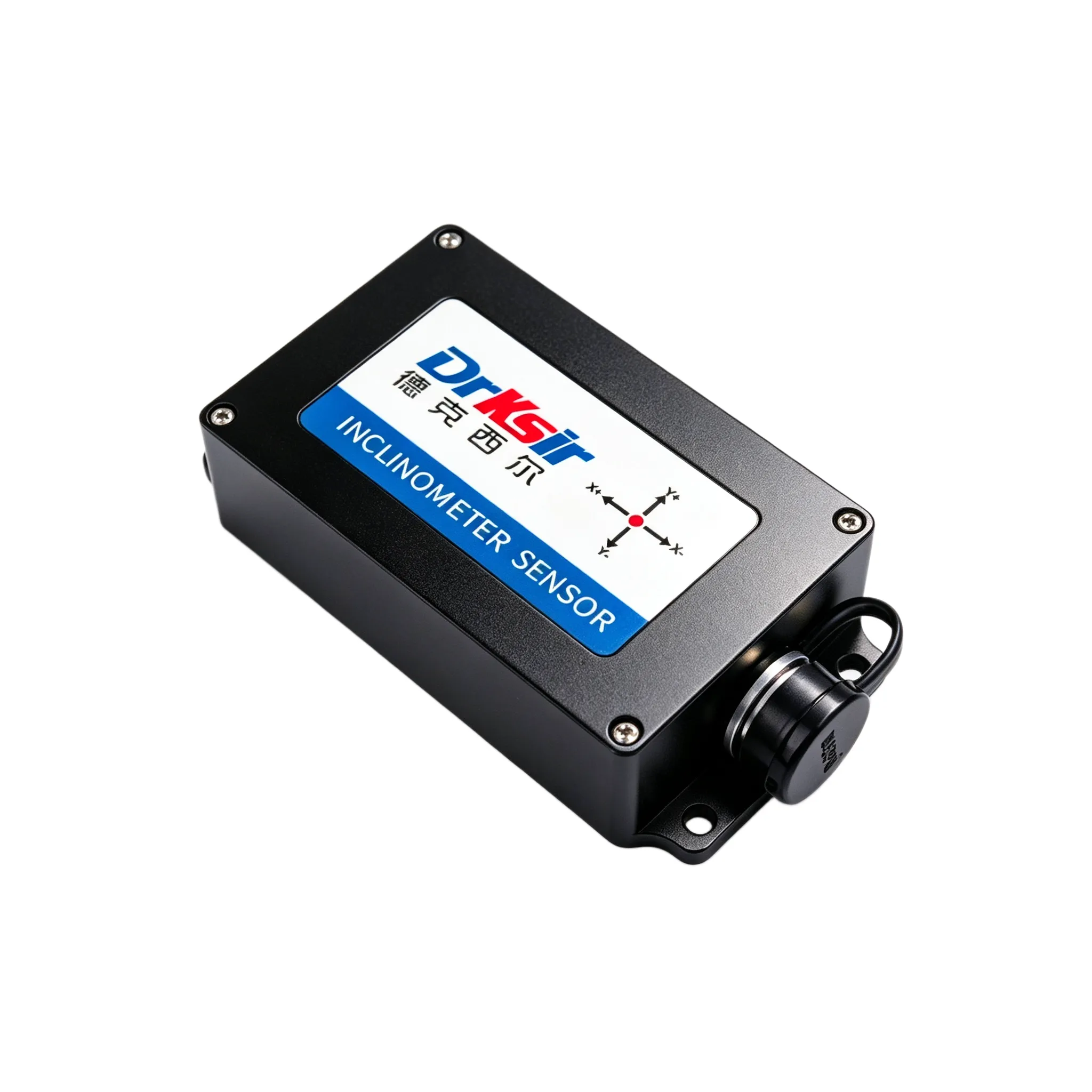
The first thing a 16MW+ float needs is attitude awareness. A fixed monopile leans a little; a floating unit pitches, rolls, and heaves. That is why inclinometers moved from a nice-to-have to a core instrument on the foundation and the nacelle. In the 17 MW unit above, the design widened the generating tilt envelope by about 2 degrees and the survival envelope by about 3 degrees versus older floats — margins that only matter if you can actually measure them.
For tower and foundation tilt, we usually specify a high-stability inclinometer graded to the decision you must make: a fraction of a degree for structural trend tracking, looser for simple alarm trips. Converting a raw tilt angle to displacement is how most dashboards show a manager “the tower moved X millimeters,” not just “the sensor read Y degrees.” Pick the inclinometer accuracy to match that report, not to the datasheet’s biggest number.
Requirement 2 — vibration and strain for drivetrain and blades
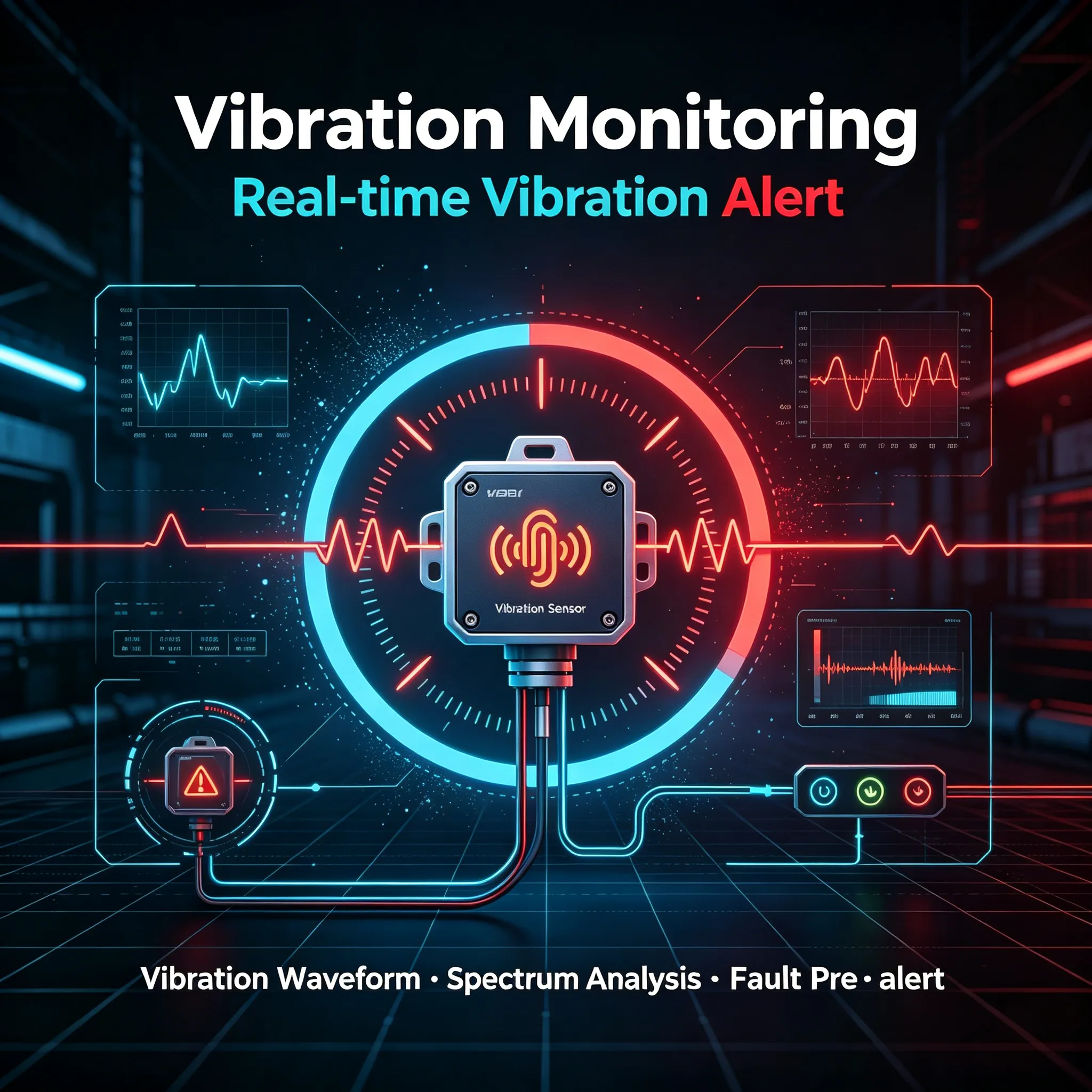
The second requirement is vibration and strain coverage. Accelerometers on the drivetrain catch bearing and gearbox anomalies weeks before a SCADA alarm would trip, and strain gauges on the blade root reveal fatigue you cannot see from the water. Offshore turbines pack 20-30 sensors per unit versus 15-22 onshore, and a chunk of that gap is exactly this condition-monitoring layer.
For blade and tower fatigue, the useful signal lives in the low-frequency and mid-frequency bands, so sampling and mounting matter more than raw range. We tell buyers to lock the mounting method and the cable route first, then choose the sensor — a great accelerometer reads garbage if the install lets it rattle.
Requirement 3 — motion and mooring for floating platforms
The third requirement is unique to floats: motion and mooring monitoring. A floating platform adds roughly 8-12 specialized sensors beyond a fixed unit — heave, pitch, and roll references, plus tension or angle sensors on the mooring lines. If a mooring line goes slack or a line tension spikes, the whole turbine’s attitude shifts, and the tilt and vibration data become unreadable without the motion context.
This is the layer most early offshore projects under-spec, because it sits between the turbine and the subsea system. By the time a float is ordered, the mooring engineer and the turbine sensor engineer need to be in the same room. They rarely are, and the gap shows up as a dashboard nobody trusts.
Why sensor density jumped 35-45%
Across the fleet, offshore units carry 35-45% more sensor density than onshore ones. The drivers are not vanity: remote access is expensive, so you instrument once and read often; salt, spray, and icing attack every connector; and grid codes in Europe, the U.S., and China now demand near-real-time turbine data at the grid interface. When monitoring stops being optional and starts being a code requirement, density rises whether the BOM liked it or not.
What buyers should specify
If you are scoping sensors for a 16MW+ offshore unit, three checks save the most grief.
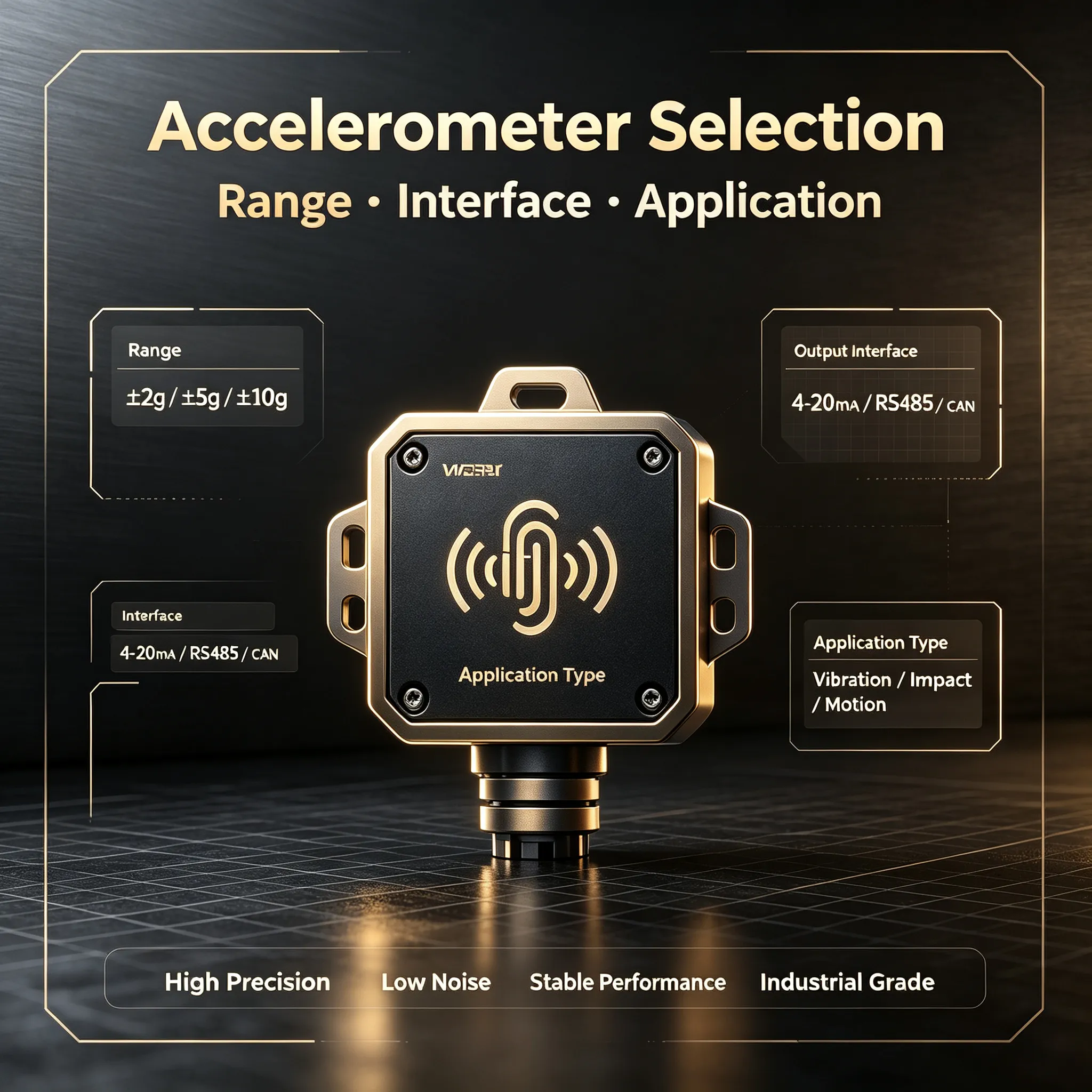
- Standard outputs only. 4-20 mA and RS485/Modbus drop into existing DAQ and survive harsh cabling better than proprietary links.
- Grade to the decision. Match inclinometer accuracy and accelerometer range to the report a human will act on, not to the marketing maximum.
- Plan the float’s motion set early. Decide the mooring and motion sensors in the same meeting as the turbine sensors, or the data will not line up.
For more on where the offshore and SHM markets are heading, our industry news channel tracks these shifts each quarter.
Grid codes turned monitoring into law
The density jump is not only engineering — it is regulation. In Europe, network codes require near-real-time data transmission from generating units to grid operators; in the United States, interconnection rules effectively mandate turbine-level monitoring availability; and China’s grid operator requires standardized monitoring for all grid-connected wind projects above 10 MW. None of those rules name a sensor brand, but all of them force owners to treat monitoring as core infrastructure, the way a fossil plant treats its SCADA. For buyers, that means the monitoring spec now gets reviewed by compliance, not just by the maintenance team.
Drksir’s take
We have built tilt and vibration hardware for fifteen years, and 16MW+ offshore is the clearest signal yet that sensing is now a system discipline, not a parts list. If you are specifying sensors for a floating or fixed offshore unit and want a second opinion on grades and outputs, our engineering team is glad to walk through it.
📧 Email: sales@drksirsensor.com | 💬 WhatsApp: +86-135-1581-0281