
Inclinometer Cases

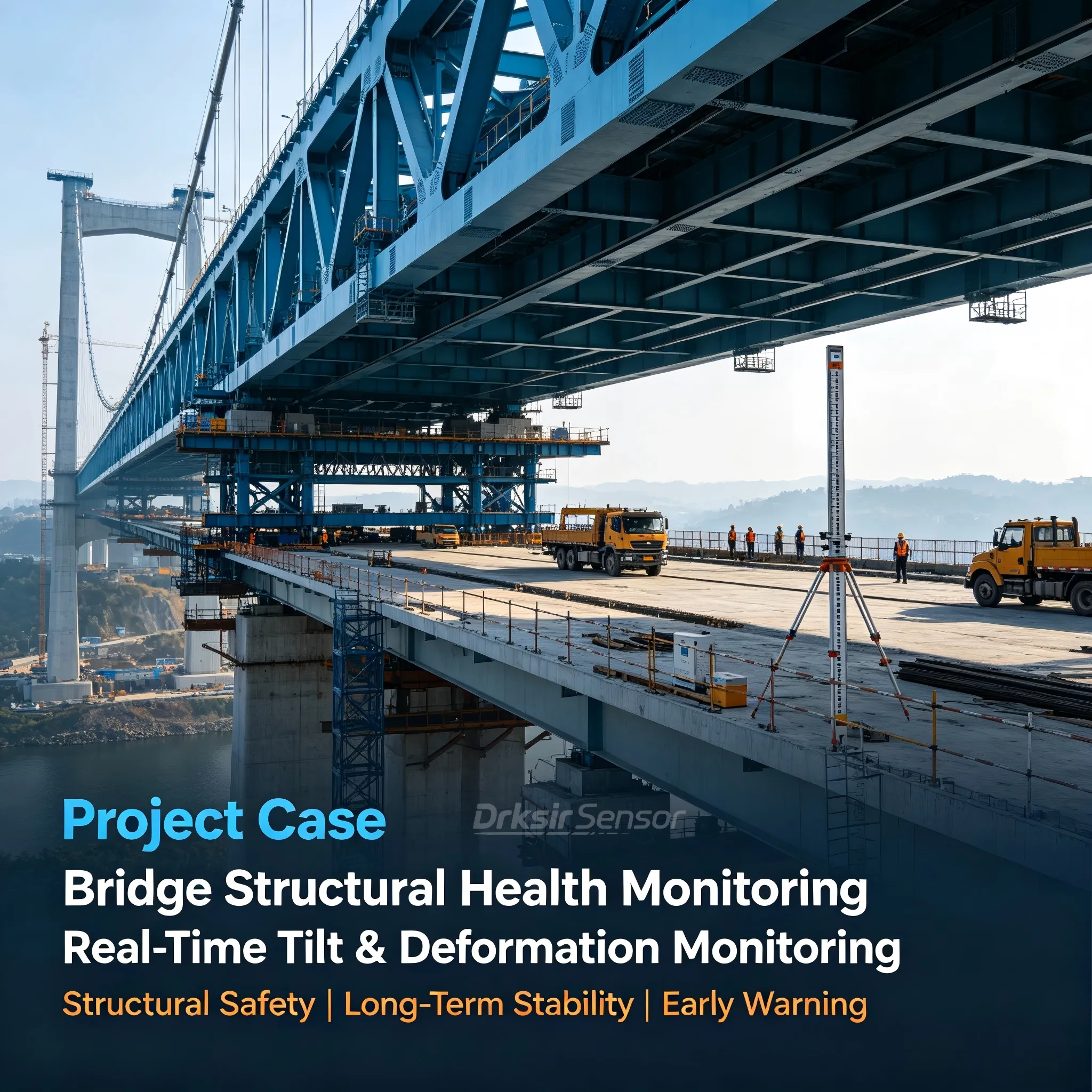
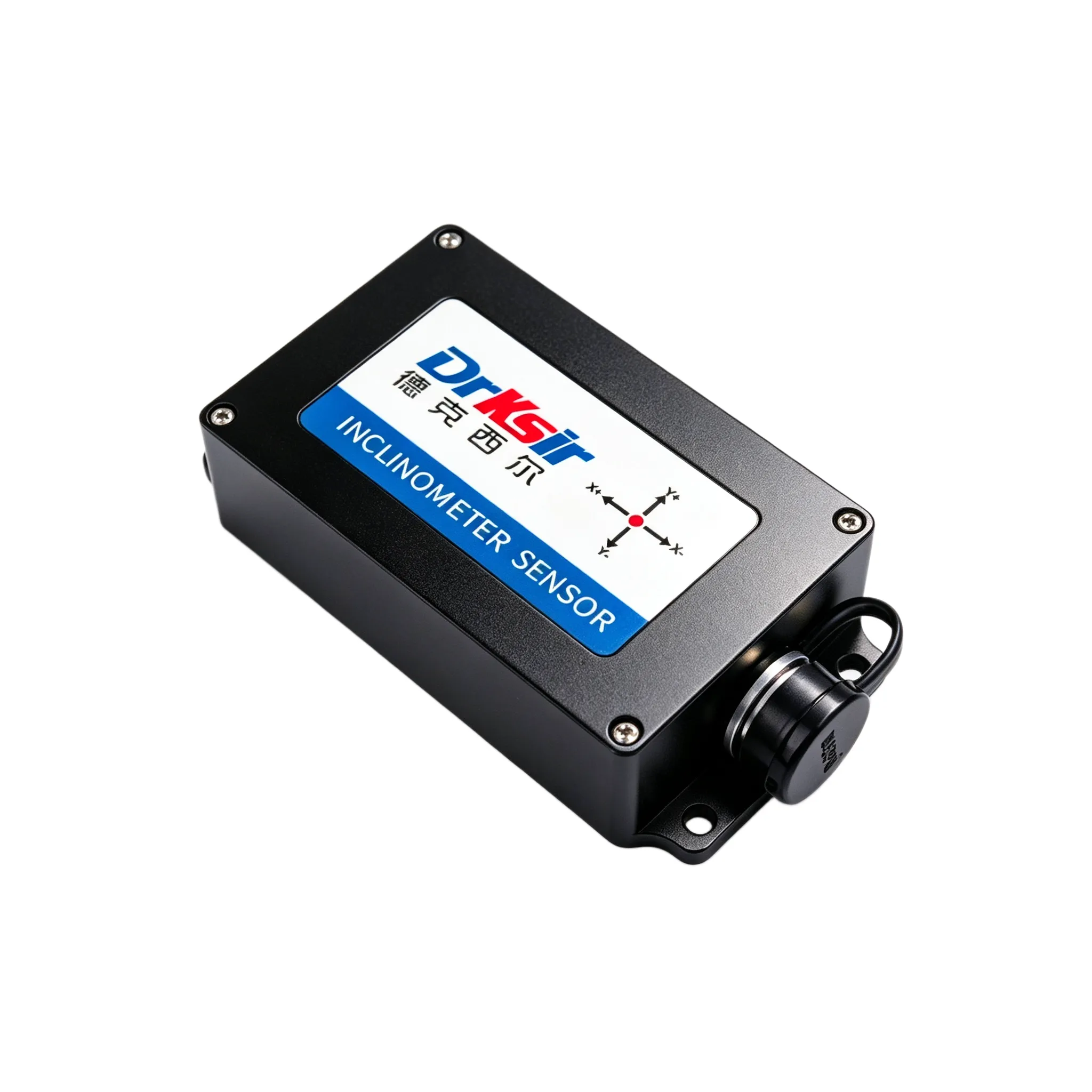
Bridge Structural Health Monitoring with 0.001° RS485 Inclinometers

Bridge Structural Health Monitoring with 0.001° RS485 Inclinometers

Project Background Bridges deform continuously. Traffic loading, seasonal temperature swings, wind and post-seismic settling all move a structure at the millidegree level — movements far too small for the crack gauges and visual inspections that many asset owners still rely on. For long-span and high-value structures, the monitoring requirement is not “has it moved a […]

Read More » 2026-07-14
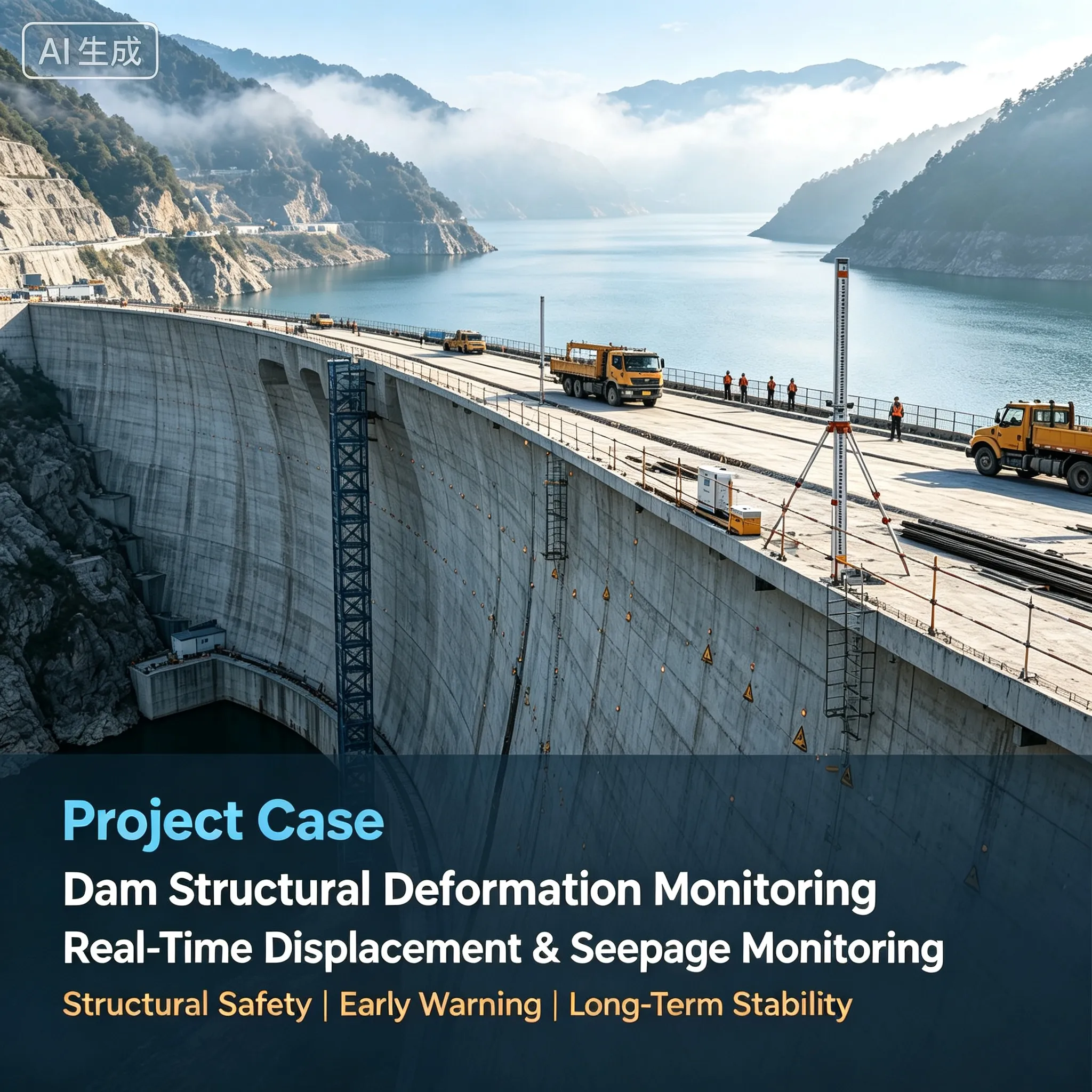
Dam Deformation Monitoring with 0.001° 4-20mA Inclinometers

Dam Deformation Monitoring with 0.001° 4-20mA Inclinometers

Project Background Concrete gravity dams, arch dams and intake towers are monitored for tilt because a slow, systematic rotation is one of the earliest measurable signs of a developing problem — long before visible cracking. Dam safety instrumentation is also unusually conservative about signal transmission: most dam monitoring systems were specified around 4-20mA current loops […]

Read More » 2026-01-06

Related Articles

16MW+ Offshore Wind Turbines: 3 Sensor Needs

A service engineer I work with put it plainly last month: “The turbines we monitored five years ago and the ones going in the water now are almost different machines.” He is right. In July 2025 a Chinese consortium commissioned a 17 MW direct-drive floating offshore unit with a 262-meter rotor and a hub height […]

2026 Structural Health Monitoring Market Report

A procurement manager asked me a fair question last quarter: “Is structural health monitoring just hype, or are people actually buying it?” I pulled the latest market figures to answer him, and the numbers are not subtle. The global structural health monitoring (SHM) market reached 3.44 billion in 2025** and is forecast to reach **6.93 […]

How to Choose Inclinometer Accuracy: 0.001° to 0.1° Guide

When a procurement officer emails me asking for “the most accurate tilt sensor Drksir makes,” I almost always answer with a question first: “How big is the real movement you need to capture?” It turns out that about 80% of the time, the 0.001° flagship is overkill for the job. And the other 20% of […]

Tilt Angle to Displacement: A Practical Guide

When an engineer emails me asking, “The sensor reads 0.3°, but my drawing shows the pier moved 12 mm — which one is right?” my answer is always the same: both, once you convert. A tilt sensor reports an angle. Your structural report, your machine spec, and your acceptance criteria are almost always written in […]
x