Description
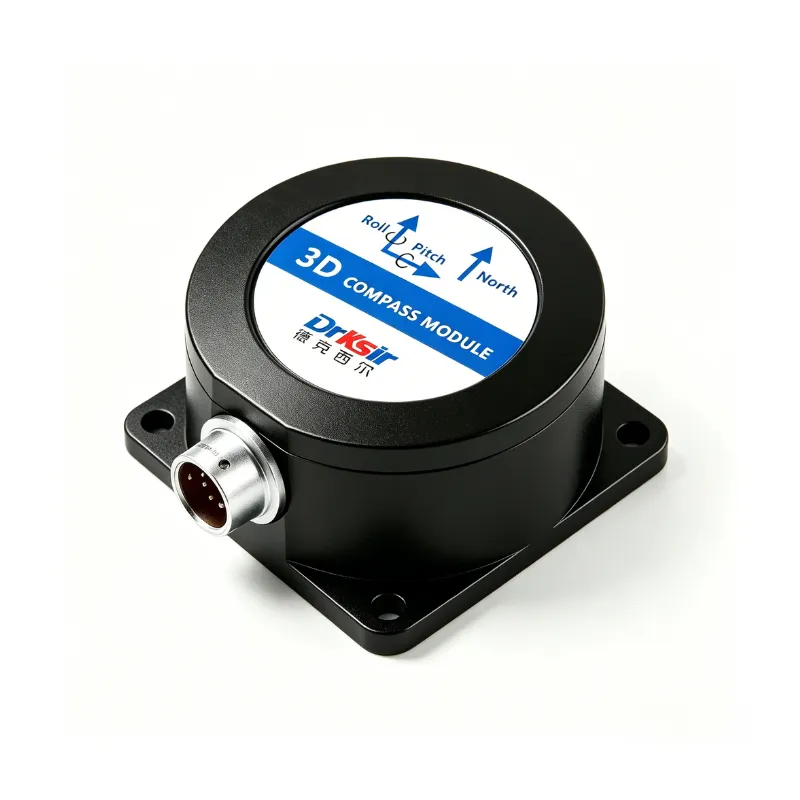
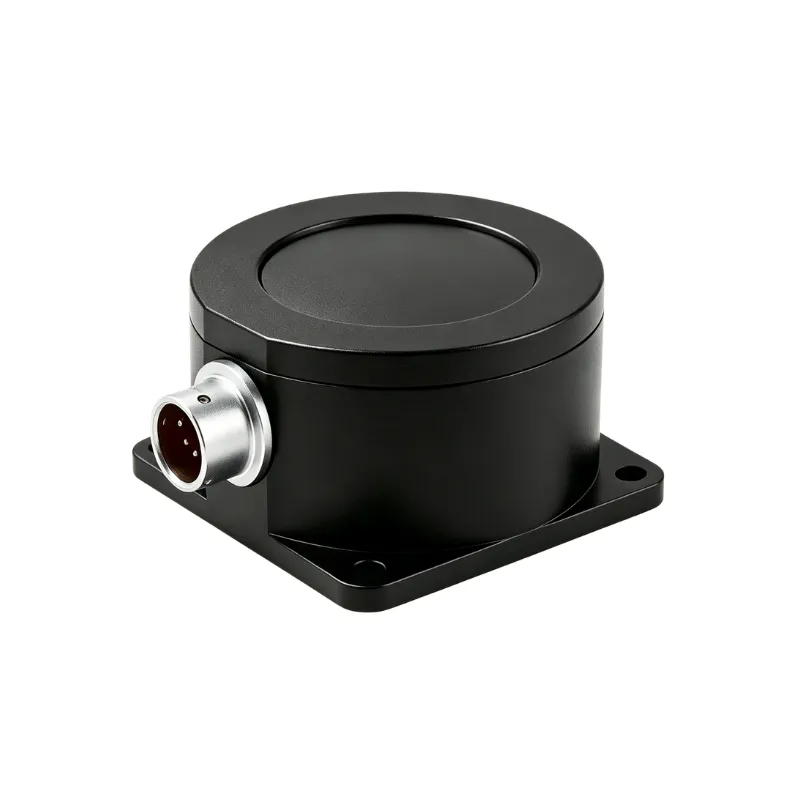
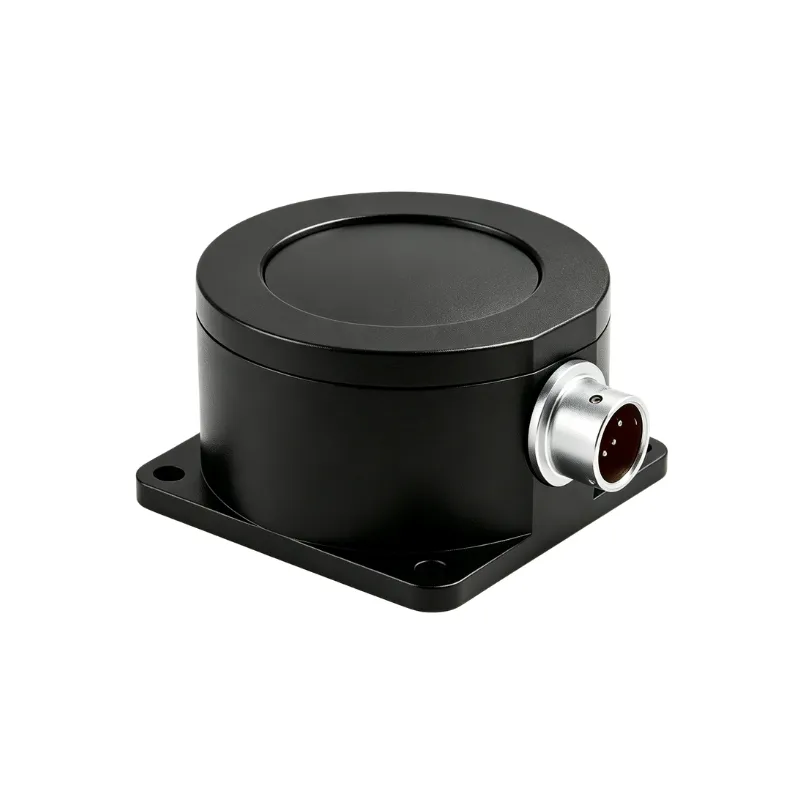
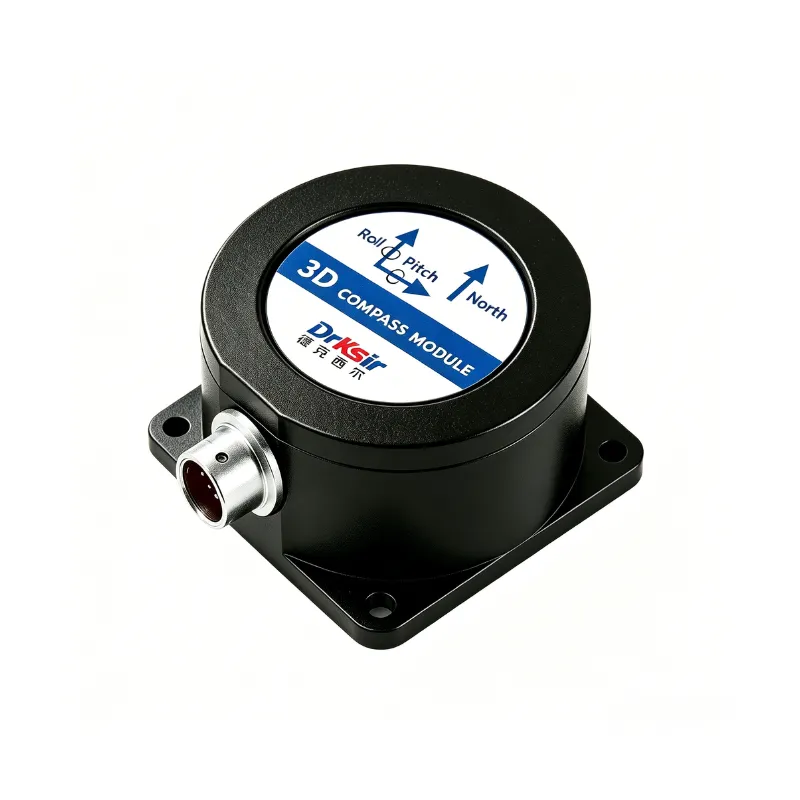
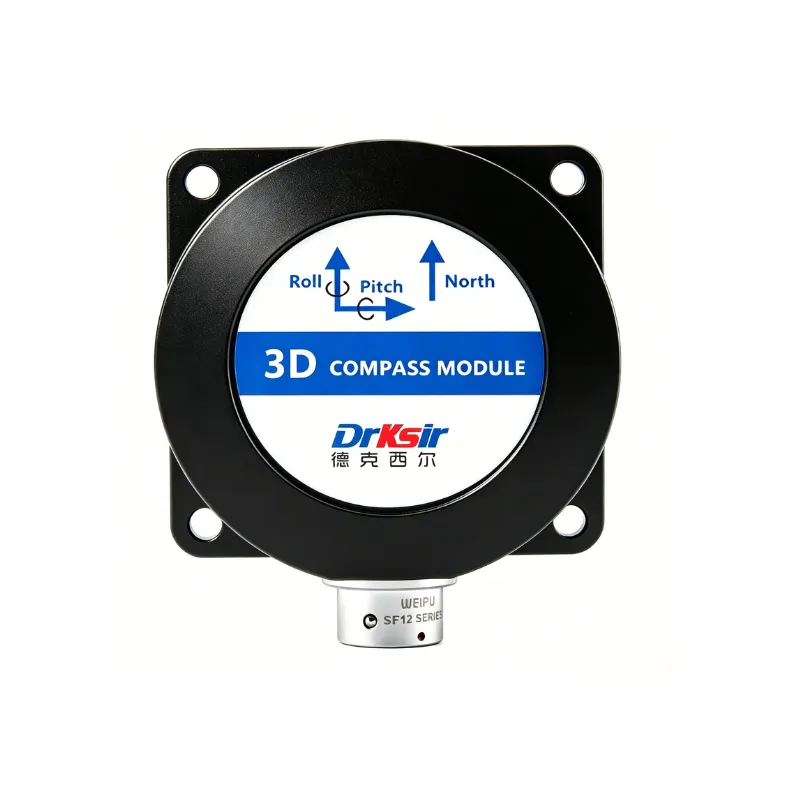
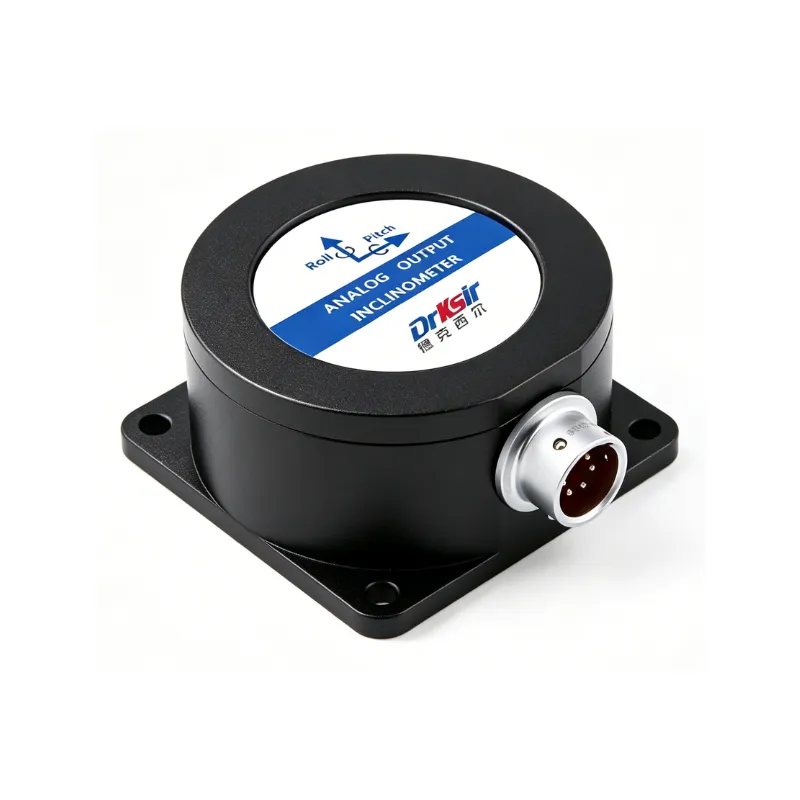
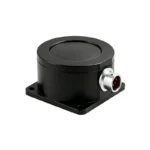
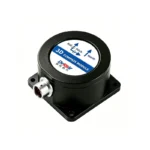
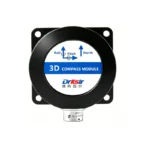
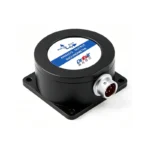
The ±2g 3-Axis Industrial Accelerometer is the most sensitive model in our range. With 0.01g absolute accuracy and 0.001g resolution on all three axes, it picks up the slow, small movements that a general-purpose vibration sensor simply averages out — the gradual lean of a bridge deck, the sway of a wind tower under shifting load, or the tilt a platform has to correct for before any of its other measurements mean anything.
We usually recommend this range when the signal you care about stays well below 1g. If you are measuring attitude, doing tilt compensation, or watching low-frequency structural movement, ±2g gives you the resolution you actually need. If your machine generates several g during normal running, you will clip the signal here — move up to ±8g instead. This model is part of our industrial accelerometers range, covering ±2g to ±32g on the same mechanical platform.
Key Specifications
| Parameter |
Specification |
| Measuring Axis |
X, Y, Z (3-axis) |
| Measuring Range |
±2g |
| Absolute Accuracy |
0.01g |
| Resolution |
0.001g |
| Output Options |
CAN / 4-20mA / RS485 (Modbus RTU) / 0-10V |
| Operating Temperature |
-40°C ~ +85°C |
| Protection Grade |
IP67 / IP68 (customizable) |
| Cable |
Standard 1.5m 4-core shielded cable |
| Net Weight |
220g (without package) |
| Average Service Life |
≥55,000 hours |
| — CAN version — |
|
| Communication Interface |
CAN |
| Sampling Frequency |
100Hz |
| Power Supply |
DC 9-36V |
| Operating Current |
30mA @ DC 12V |
Output Options
| Output |
SKU |
Best For |
| 4-20mA |
DR-ACC-2G-A-3X |
Long cable runs, direct PLC/SCADA input |
| RS485 (Modbus RTU) |
DR-ACC-2G-R-3X |
Multi-drop digital networks |
| 0-10V |
DR-ACC-2G-C-3X |
Short-distance, cost-sensitive installations |
| CAN |
DR-ACC-2G-N-3X |
Vehicles, mobile machinery, bus networking |
Typical Applications
- Attitude and tilt reference for platforms, antennas and camera gimbals
- Tilt compensation in navigation and surveying equipment
- Wind tower sway monitoring — low-frequency, small-amplitude movement
- Bridge and dam low-frequency vibration where amplitudes stay under 1g
- Precision platform leveling in semiconductor and optical equipment
If your readings keep hitting the rails, you are over-ranged on the wrong side — you need more range, not more sensitivity. If your signal looks flat and quiet, you are probably over-ranged the other way. Tell us the peak value you expect and we will size it for you. For static or very slow tilt work, our inclinometers will serve you better than an accelerometer.
Why Choose Drksir
- 15+ years building industrial sensors, with 3,000+ projects delivered worldwide
- Factory-calibrated before every shipment — each unit ships with its calibration data
- OEM/ODM available: range, output, cable length, connector and housing can be specified to your machine
- Built for harsh environments: IP67 / IP68 (customizable), -40°C to +85°C operating range
- Engineering support, not just a catalog: tell us your machine, speed, mounting position and what you are trying to catch, and we will tell you which range fits
Frequently Asked Questions
How do I pick the right measuring range? As a working rule, your normal operating acceleration should sit at roughly one-third to one-half of the full range. That leaves headroom for start-up transients and fault conditions without wasting resolution. If your machine normally sees 0.5g, ±2g is right; if it sees 3-4g during normal running, move to ±8g and keep ±16g for shock events.
Which output should I choose? CAN for vehicles and mobile machinery where a bus already exists; 4-20mA for long cable runs and direct PLC/SCADA input; RS485 (Modbus RTU) when you want multiple sensors on one digital network; 0-10V for short, cost-sensitive runs. Our CAN version is in stock now — the other three are available on request.
Can you customize the sensor for our application? Yes. Range, output type, cable length, connector and mounting are all configurable, and we do OEM/ODM runs. Send us the machine type, speed, mounting position, and what you need to detect, and we will come back with a recommendation.
Get a Quote
📧 sales@drksirsensor.com 💬 WhatsApp: +86-135-1581-0281
Not sure which range fits your machine? Contact our engineers — send us the machine type, running speed and mounting position, and we will tell you which model to use before you order.